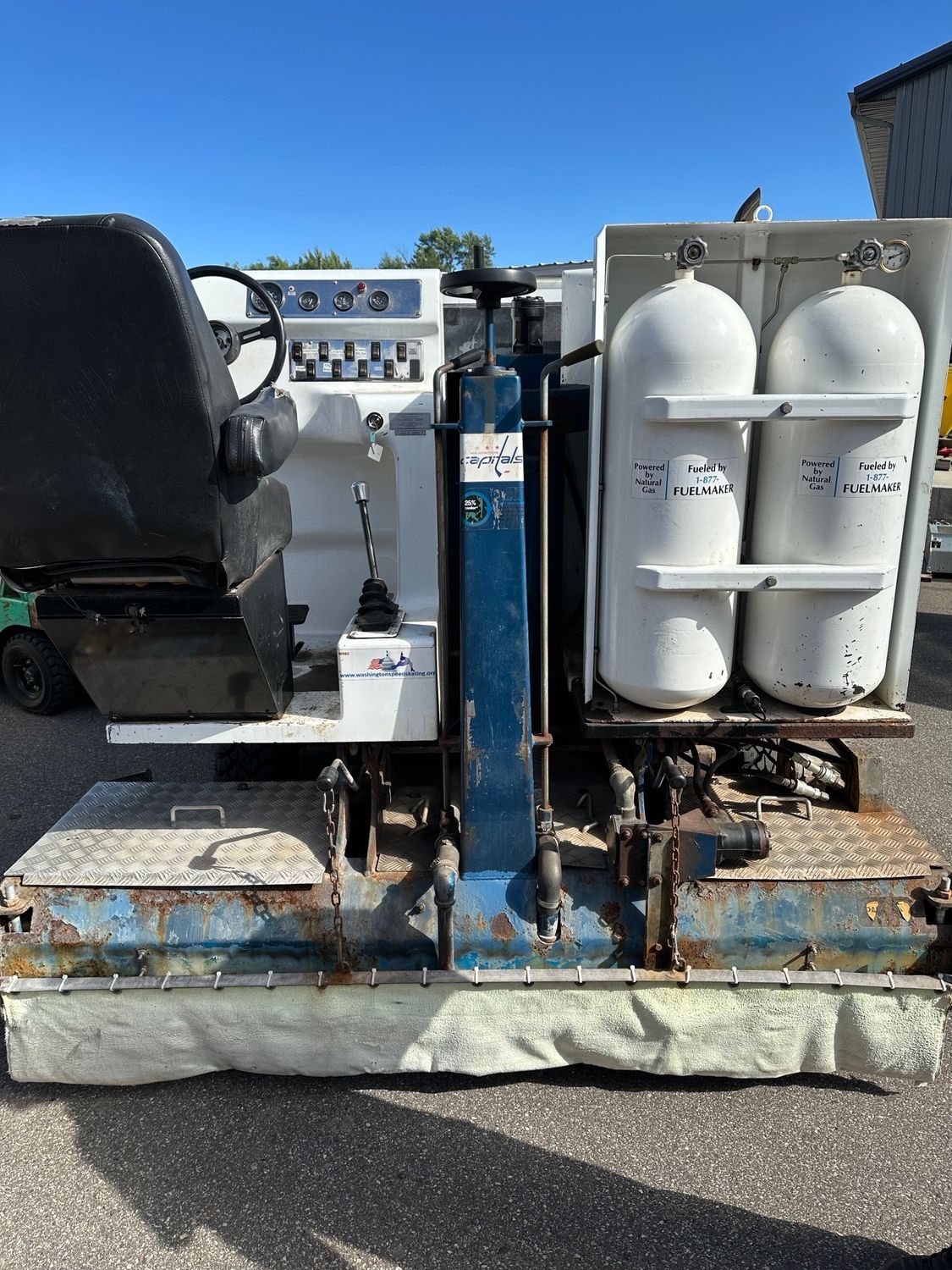
Ice resurfacers are built to handle demanding, repetitive work, but breakdowns still happen. What surprises many rink managers is that most breakdowns are not random. They are usually the end result of predictable wear patterns, environmental exposure, or operational habits that slowly push the machine away from optimal condition. Understanding the most common ice resurfacer breakdowns helps facilities prevent downtime, control maintenance costs, and extend equipment life.
A useful way to think about breakdowns is to categorize them by system: hydraulics, blade and cutting system, auger and snow management, drivetrain and propulsion, electrical and controls, and operating environment. Each category has typical failure points and typical prevention steps. The facilities that stay ahead of breakdowns are not necessarily the ones spending the most money. They are the ones spending money at the right time, before the failure becomes urgent.
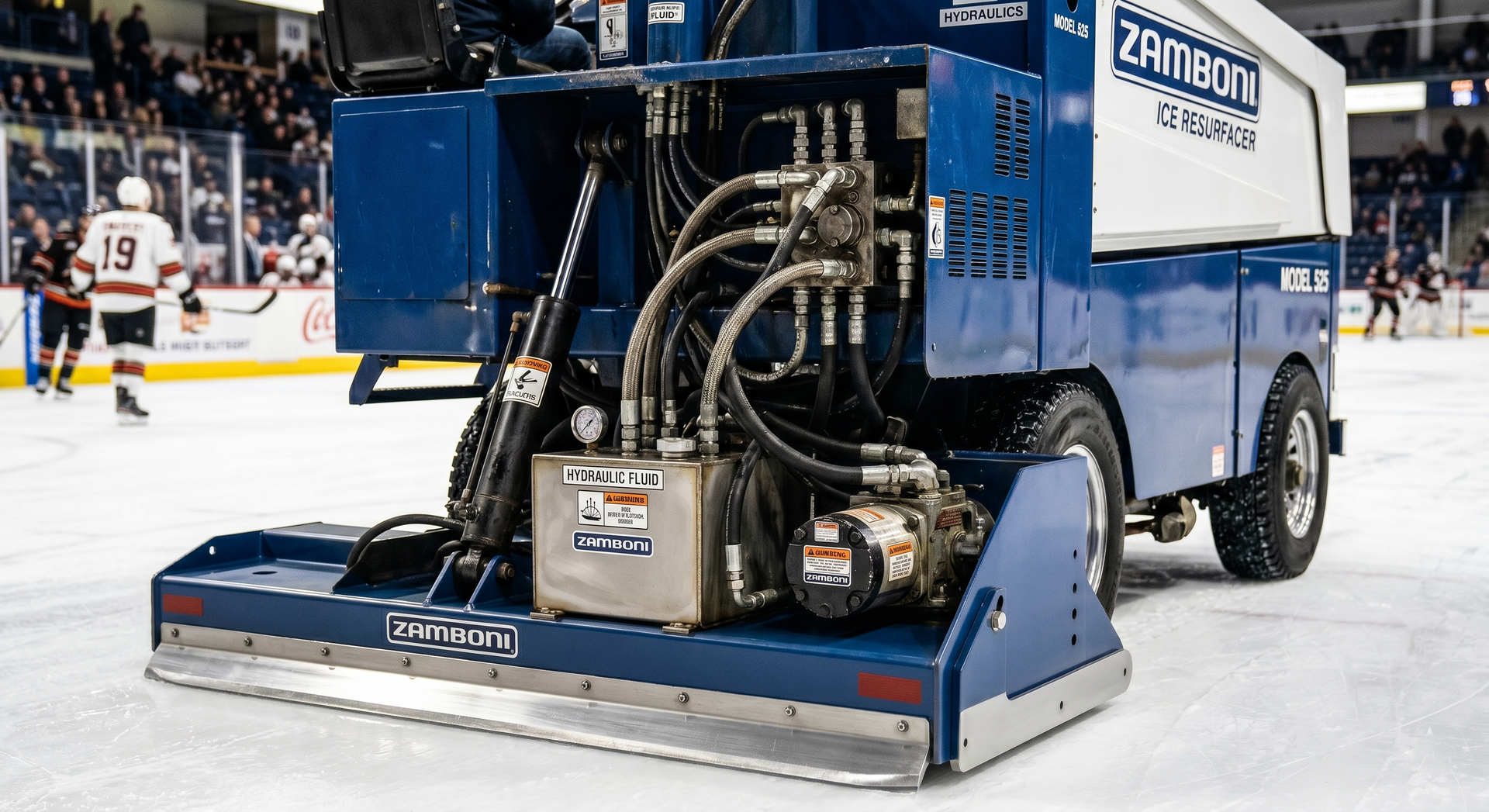
Hydraulic breakdowns are one of the most common causes of sudden downtime. Hydraulics control several critical functions: raising and lowering assemblies, operating mechanisms involved in snow handling, and supporting various controls that need consistent pressure. The most frequent hydraulic failure is a hose or fitting issue. Hoses age, harden, crack, and weaken at connection points. Cold temperatures and vibration accelerate this process. A small leak often begins as dampness around a fitting or a slight residue on a line. If that early sign is missed, the leak grows until pressure drops or the hose fails. When that happens, the machine may be unable to operate safely. The best prevention is daily visual inspection plus proactive hose replacement based on age, condition, and service history. Prevention also includes routing and protection. If hoses rub against metal edges or move excessively, they wear faster. Ensuring proper routing, securing lines, and replacing protective sleeves when worn reduces failure risk.
Blade-related issues also cause breakdowns, though they often begin as quality problems rather than complete stoppages. A dull blade increases cutting resistance. That forces the machine to work harder and increases load on drive components. Uneven blade wear can create vibration that affects mounts, bearings, and structural points over time. Operators sometimes try to compensate for dull blades by adjusting settings more aggressively, which increases stress and can create additional problems such as uneven cuts and excessive mechanical load. Prevention is straightforward but requires discipline: consistent blade sharpening and replacement at appropriate intervals, careful mounting checks, and monitoring for unusual vibration. If the machine starts resurfacing inconsistently or the ice finish changes suddenly, blade condition and alignment should be checked immediately.
Auger and snow management failures are another common cause of downtime, especially in high-use facilities. The auger system works hard, repeatedly moving snow and ice shavings. Components such as belts, bearings, and tensioners wear over time. One common issue is belt slippage due to stretching or improper tension. Slipping generates heat and accelerates wear. Another issue is bearing fatigue, which can show up as noise, vibration, or inconsistent performance. Overloading the system, such as trying to collect too much snow in one pass or not clearing buildup between runs, also increases failure risk. Prevention includes routine inspection of belts and bearings, timely replacement of wear components, and operational habits that avoid overload.
Drivetrain and propulsion problems can be more expensive because they involve core movement and power transmission. Symptoms often include unusual noises, difficulty starting, reduced power, or inconsistent movement. These issues can come from wear on belts and chains, misalignment, lack of lubrication, or gradual fatigue of components under constant vibration. Operator technique matters here. Abrupt starts and stops, aggressive turns, or driving habits that stress the machine contribute to drivetrain wear. Preventing drivetrain breakdowns requires lubrication schedules, inspection of belts and chains, and operator training that emphasizes smooth operation.
Electrical breakdowns are increasingly common as machines incorporate more sensors, interlocks, displays, and control systems. Electrical issues often show up as intermittent problems: a machine that works fine for a while and then suddenly displays faults, loses a function, or fails to start. Moisture is one of the biggest causes. Cleaning practices matter. Pressure washing can force water into connectors and housings. Corrosion builds slowly and creates resistance or intermittent contact. Prevention includes careful cleaning methods, regular inspection of wiring and connectors, replacing worn or corroded terminals, and keeping a stock of common fuses and basic electrical spares. It also includes storage practices that reduce humidity exposure.
Fuel and energy system breakdowns vary depending on machine type. Propane, gas, and diesel systems can experience issues with filters, regulators, ignition components, and fuel delivery. Cold conditions can complicate starting and performance. Electric and hybrid systems shift the focus to batteries, charging systems, and electrical health. Battery systems require monitoring and correct charging practices. Poor charging habits shorten battery life and can create reliability issues. The preventative approach is different for each system, but the principle is the same: follow service intervals, track performance changes, and address small issues early.
Environmental and storage-related failures are often overlooked. A resurfacer stored in damp conditions will corrode faster. Snow and ice left on components can refreeze and restrict movement or damage hoses and seals. Condensation affects electronics over time. Facilities that store machines indoors, keep them clean, and lubricate critical moving points tend to experience fewer breakdowns. Storage is not just about convenience; it is part of maintenance.
One of the most important factors across all breakdown types is operator consistency. Many breakdowns are triggered or accelerated by human behavior rather than pure mechanical defect. Operators who are trained to recognize warning signs and who report changes early prevent emergencies. A facility should standardize operating procedures so that multiple operators do not unintentionally create inconsistent wear patterns. Consistency reduces stress, improves performance, and makes it easier to diagnose issues when they appear.
Documentation also prevents breakdowns. Tracking what was replaced, when it was replaced, and what symptoms led to the replacement helps identify patterns. If a rink repeatedly experiences the same type of failure, that indicates a root cause beyond the part itself. For example, repeated hose failures in the same location may indicate vibration or abrasion issues that should be corrected. Repeated belt wear may indicate misalignment or tension problems. Without logs, facilities treat each breakdown as a separate event instead of recognizing patterns.
A practical prevention strategy includes three layers. First, routine inspections by operators: daily checks for leaks, noises, vibration, and fluid levels. Second, scheduled maintenance based on hours and seasons: replacing wear parts before they fail and performing deeper inspections during low-risk periods. Third, professional servicing when needed: diagnosing complex issues, performing major adjustments, and ensuring the machine remains aligned with manufacturer specifications.
The goal is not to eliminate breakdowns entirely, because every machine eventually wears. The goal is to reduce breakdown frequency, reduce downtime when issues occur, and shift repairs from emergencies to planned maintenance. Rinks that adopt a prevention mindset spend less time dealing with crisis repairs and more time delivering consistent ice quality and reliable schedules.