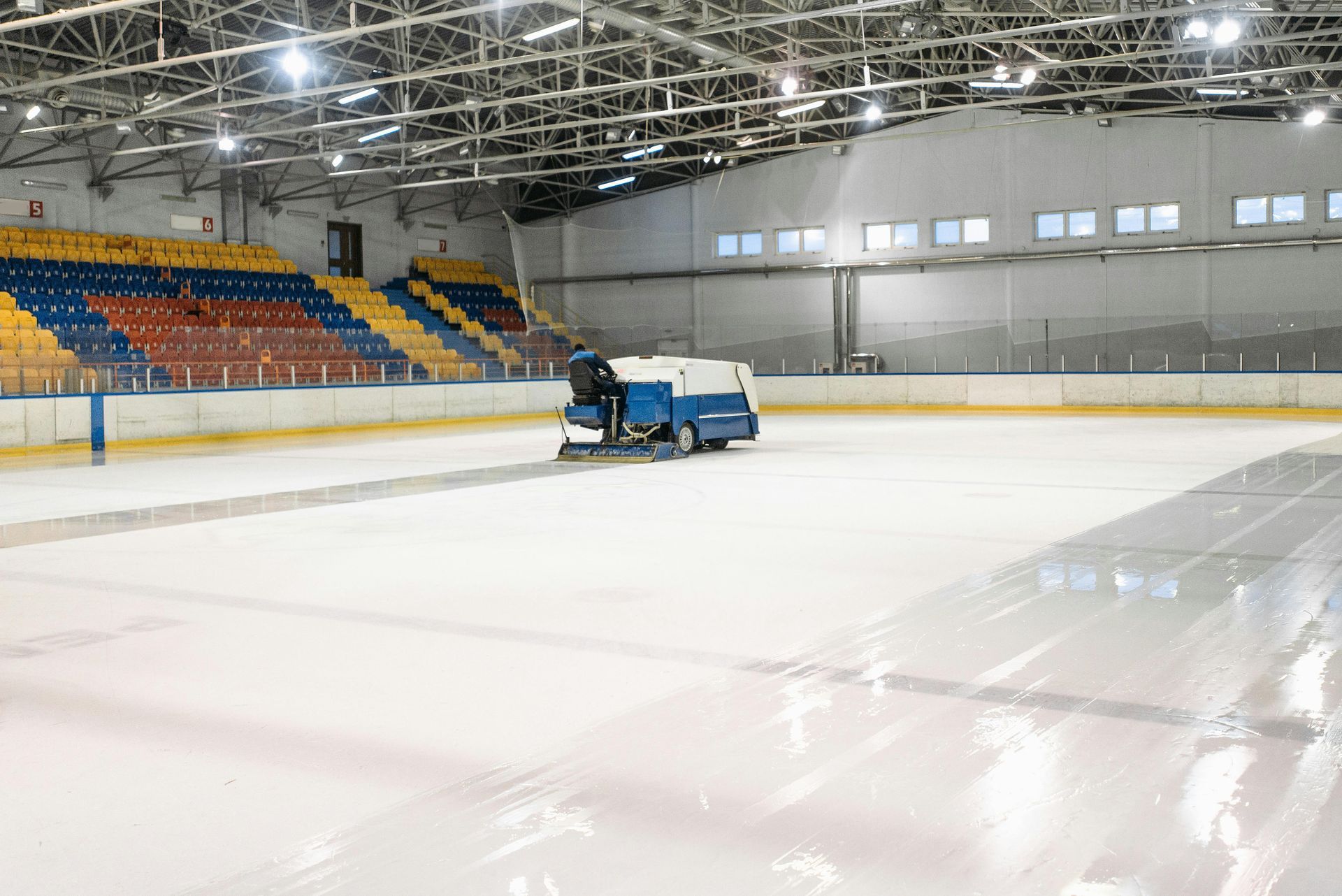
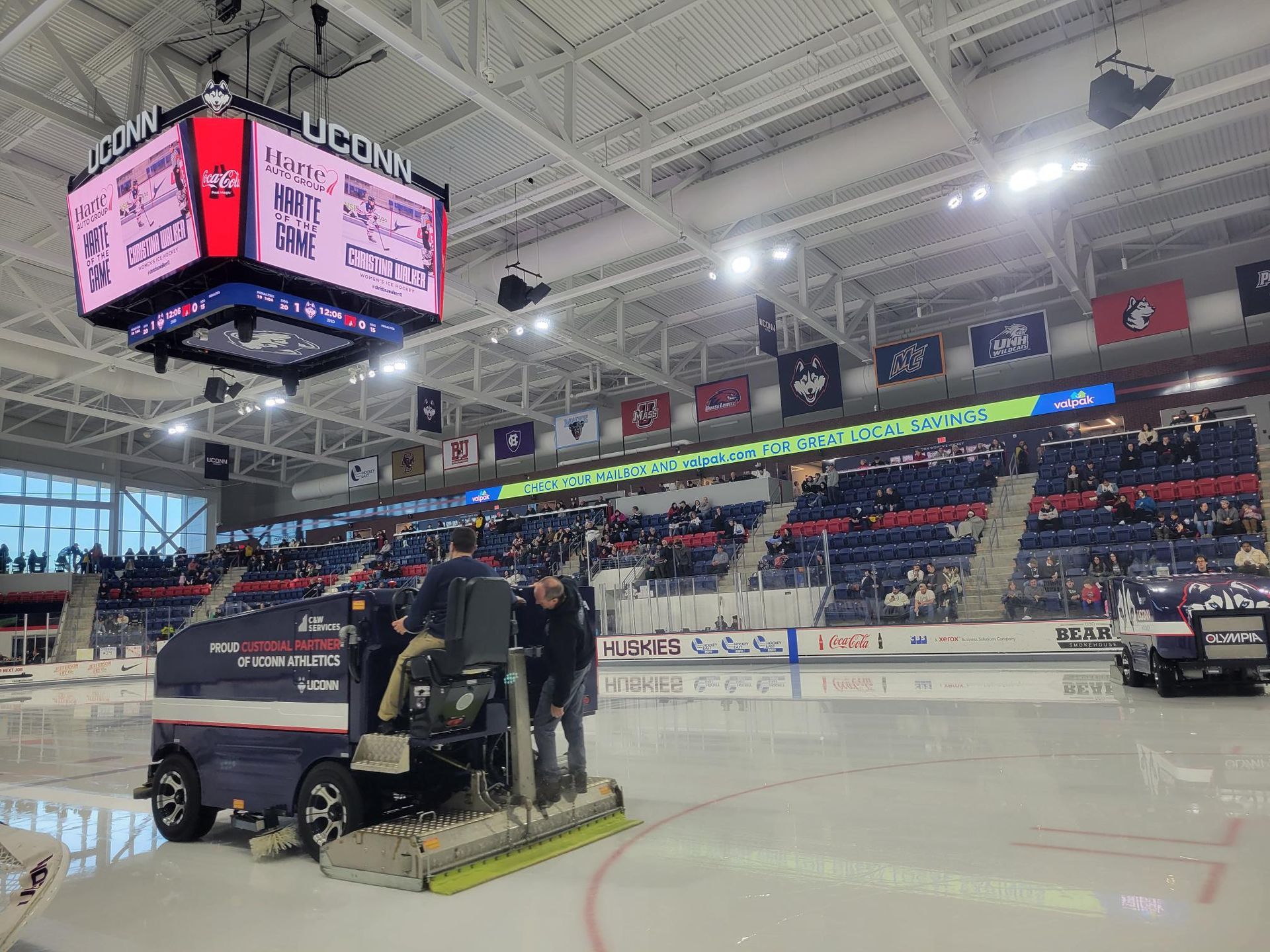
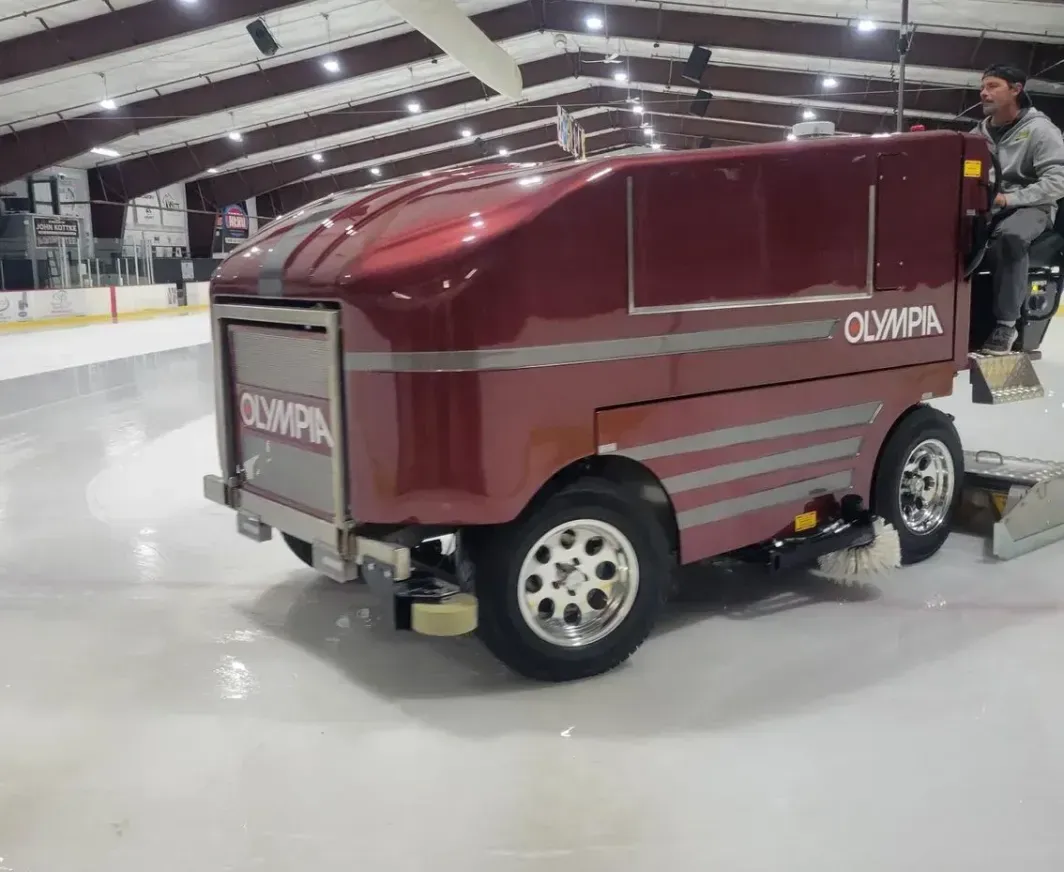
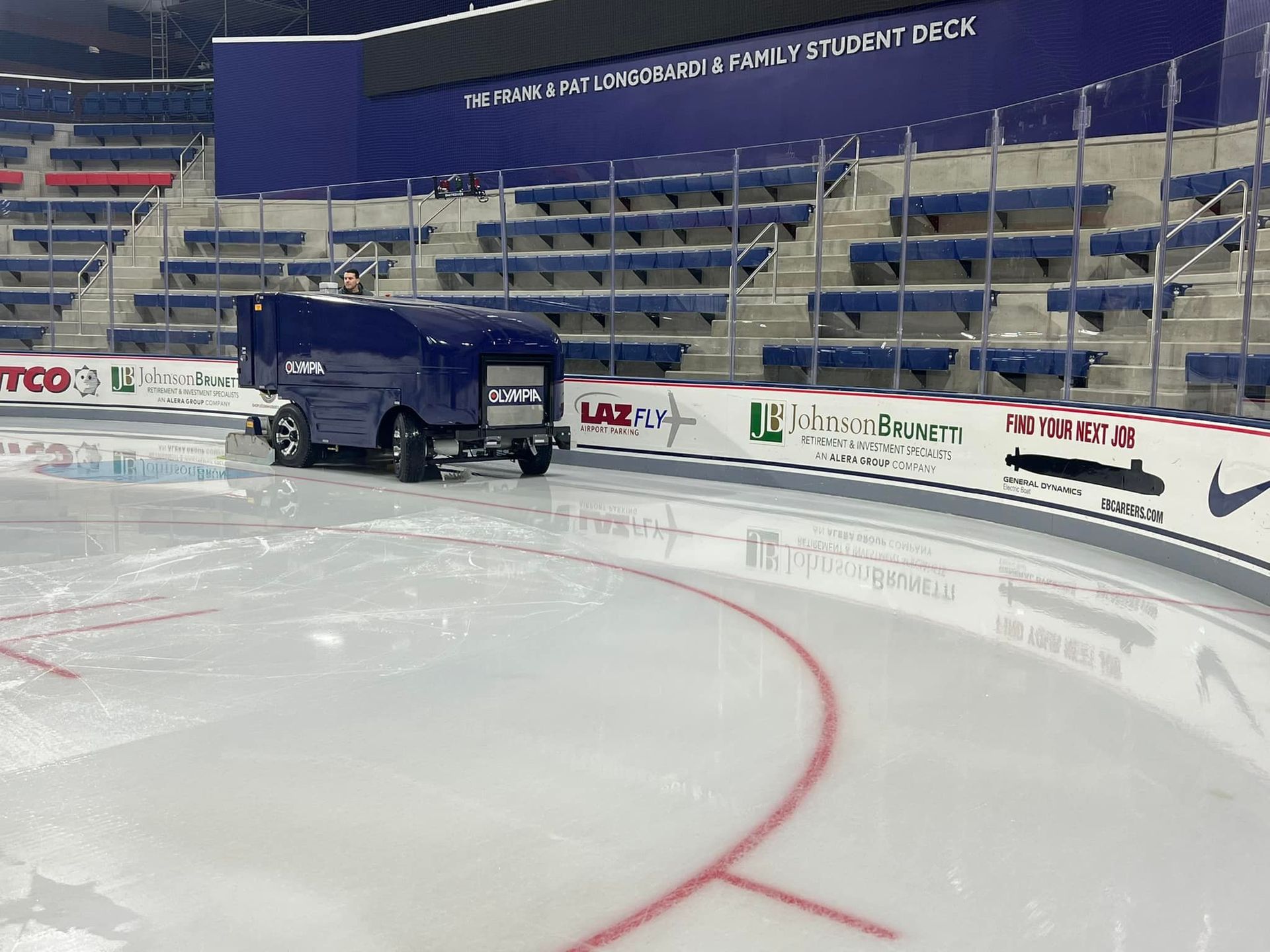
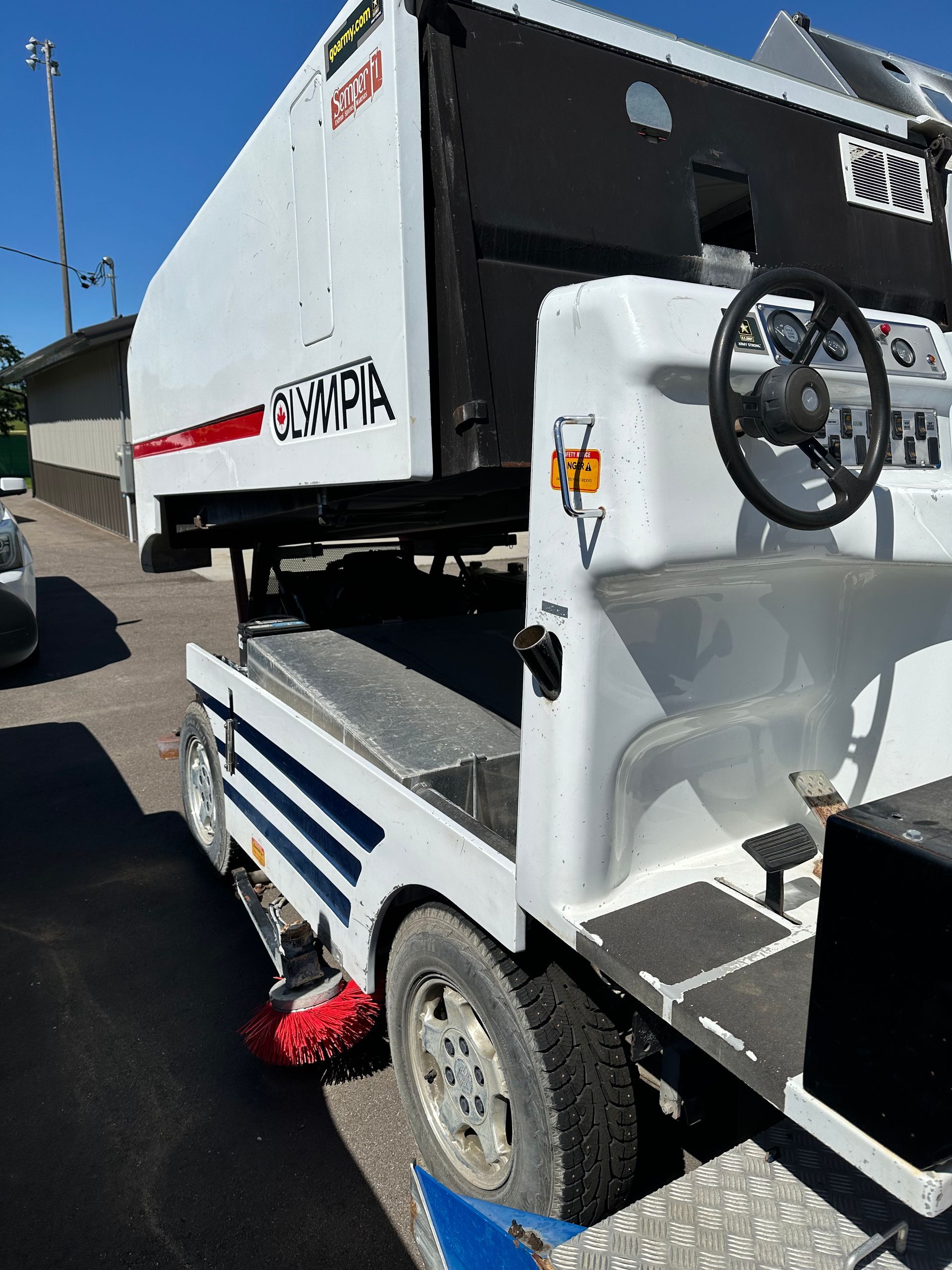
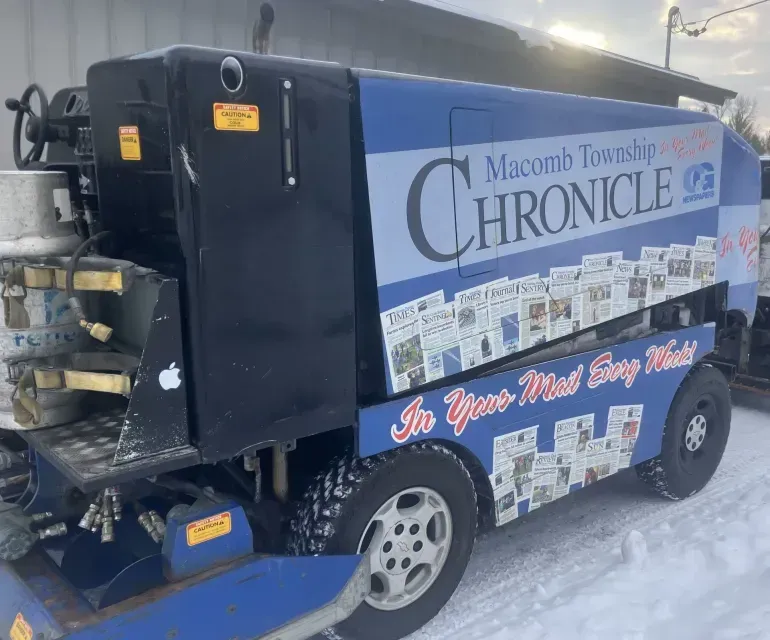
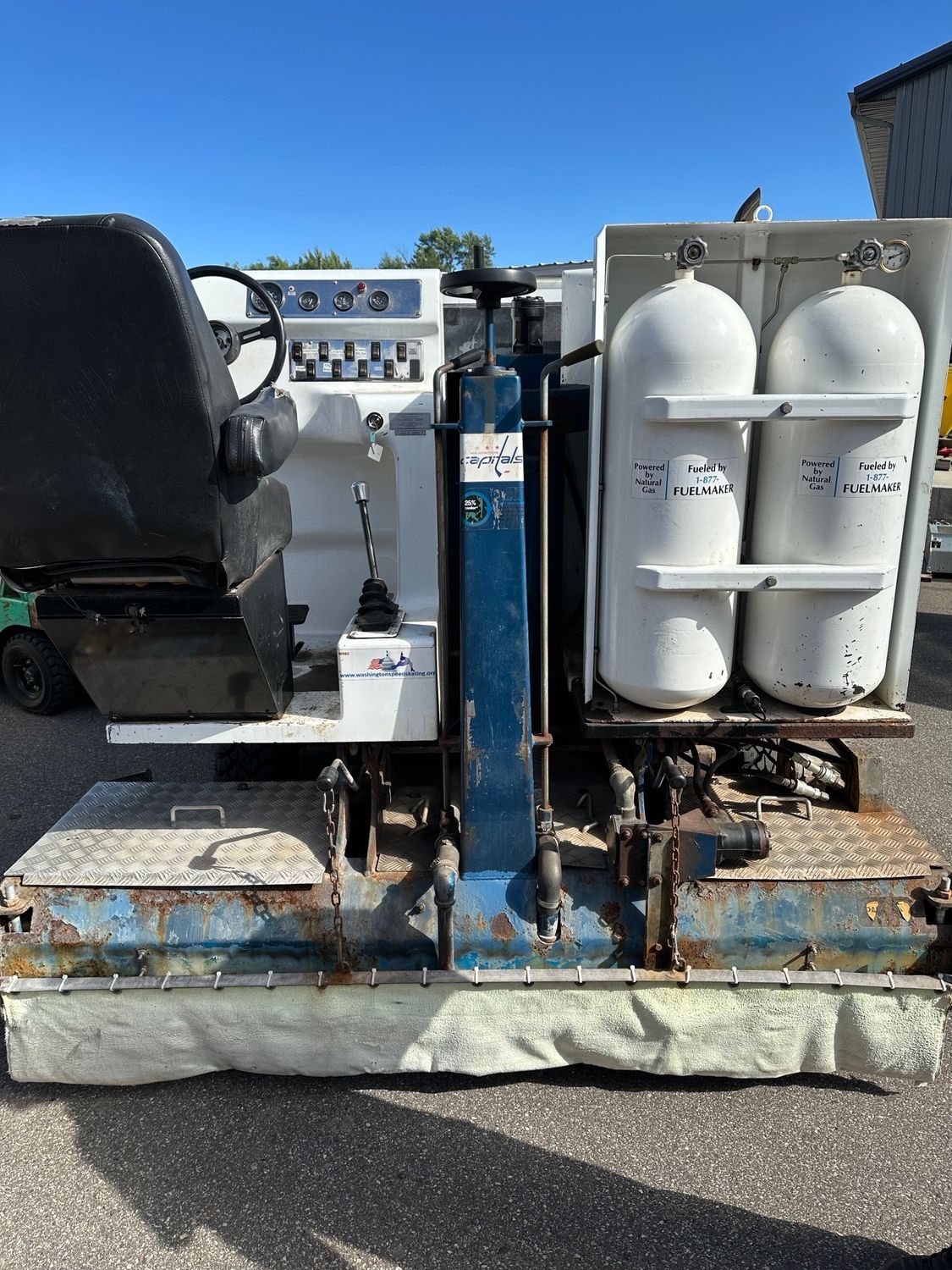
The ice resurfacing industry is experiencing a major technological shift as rinks, municipalities, and private facilities embrace efficiency, sustainability, and digital innovation. Manufacturers like
Olympia (Resurfice Corp.), one of the world’s leading resurfacer brands, have spent recent years re-engineering their machines to meet modern operational and environmental standards.
As the 2025 rink season approaches, a few distinct trends are shaping the next generation of ice resurfacers:
the widespread adoption of electric and hybrid propulsion, the integration of IoT diagnostics, advanced ergonomic design, and service-driven engineering improvements.
Whether your rink operates year-round or seasonally, staying ahead of these trends is critical for budgeting, maintenance planning, and long-term investment. This in-depth guide examines each development in detail and offers practical insights for decision-makers evaluating their next resurfacer purchase or upgrade.
1. Electric & Hybrid Propulsion — Cleaner, Quieter, More Efficient
A Shift Toward Sustainability
The rink industry is undergoing the same electrification trend seen across automotive and industrial equipment sectors. Electric and hybrid Olympia resurfacers—such as the Olympia Millennium E and Olympia Green Machine—have gained momentum as rinks aim to eliminate emissions and comply with indoor air quality standards.
Key benefits of electric and hybrid units include:
- Zero in-facility emissions: Crucial for indoor rinks with limited ventilation systems.
- Lower operating costs: Electricity and hybrid systems typically cost 30–50% less per hour than propane or natural gas.
- Noise reduction: Quieter operation enhances the fan experience and operator comfort.
- Reduced maintenance: Fewer moving parts mean fewer mechanical failures.
- Sustainability incentives: Many municipalities offer rebates or grants for zero-emission equipment.
Olympia has been a leader in electrification since introducing battery-powered resurfacers nearly two decades ago, but recent battery chemistry improvements and charging efficiency have made 2025 models far more practical for high-use arenas.
Cost & Infrastructure Impact
- Upfront cost: Expect 15–30% higher purchase prices compared to diesel units.
- Savings timeline: Most facilities report payback within
3–5 years due to reduced fuel, oil, and maintenance costs.
- Infrastructure requirements:
- Assess electrical panels for charging capacity (208V–480V systems).
- Allocate space for a dedicated charging station with ventilation clearance.
- Implement battery monitoring protocols for safety and longevity.
For facilities that already maintain hybrid HVAC or refrigeration systems, electric resurfacers can integrate seamlessly into existing power infrastructure.
2. IoT Diagnostics & Fleet Management — Smarter Maintenance
The Rise of Smart Rink Technology
Olympia and other resurfacer manufacturers are embedding IoT (Internet of Things) systems to give rink managers unprecedented visibility into machine health.
These systems continuously collect data on:
- Engine or battery performance
- Hydraulic pressure and fluid temperature
- Operator usage patterns
- Blade cycles and ice cuts per shift
By converting machine data into actionable insights, IoT-equipped resurfacers help prevent unplanned downtime, improve maintenance scheduling, and extend component life.
Benefits for Facilities
- Predictive Maintenance: Early detection of issues—such as hydraulic pressure drops—allows service technicians to fix minor problems before they escalate.
- Reduced Emergency Repairs: Alerts prompt timely action, preventing high-cost breakdowns.
- Optimized Scheduling: Managers can view real-time machine status across multiple rinks or shifts.
- Performance Analytics: Historical data informs budgeting, staffing, and energy management.
This technology is particularly valuable for multi-rink facilities, where managing multiple resurfacers manually can be inefficient.
As data becomes central to rink operations, expect more arenas in 2025 to adopt integrated service dashboards and cloud-based maintenance portals provided by Olympia dealers like
CTM Services.
3. Ergonomics & Control Improvements — Smarter Machines for Safer Operation
Operator safety and comfort are no longer afterthoughts—they’re a design priority. Manufacturers have recognized that resurfacer efficiency depends as much on human performance as mechanical capability.
What’s New in Operator Design
- Improved visibility: Reshaped cabs, LED lighting, and panoramic sightlines reduce blind spots.
- Reduced vibration: Modern chassis suspension and seating systems minimize fatigue and joint strain.
- Refined controls: Touchscreen displays, simplified lever systems, and color-coded indicators reduce operator error.
- Enhanced safety systems: Automatic blade shut-off, speed sensors, and interlocks prevent accidents.
The Result
Operators can now perform more consistent ice cuts with less fatigue, leading to smoother, safer surfaces. Ergonomic upgrades also improve staff retention and reduce training time for seasonal operators—critical benefits for busy facilities managing large teams.
4. Maintenance-Driven Engineering Upgrades — Easier Service, Faster Turnaround
Manufacturers are responding directly to feedback from technicians and dealers like CTM Services, who work on resurfacer maintenance daily. New Olympia designs include features that streamline inspections and reduce downtime.
Key Enhancements Include:
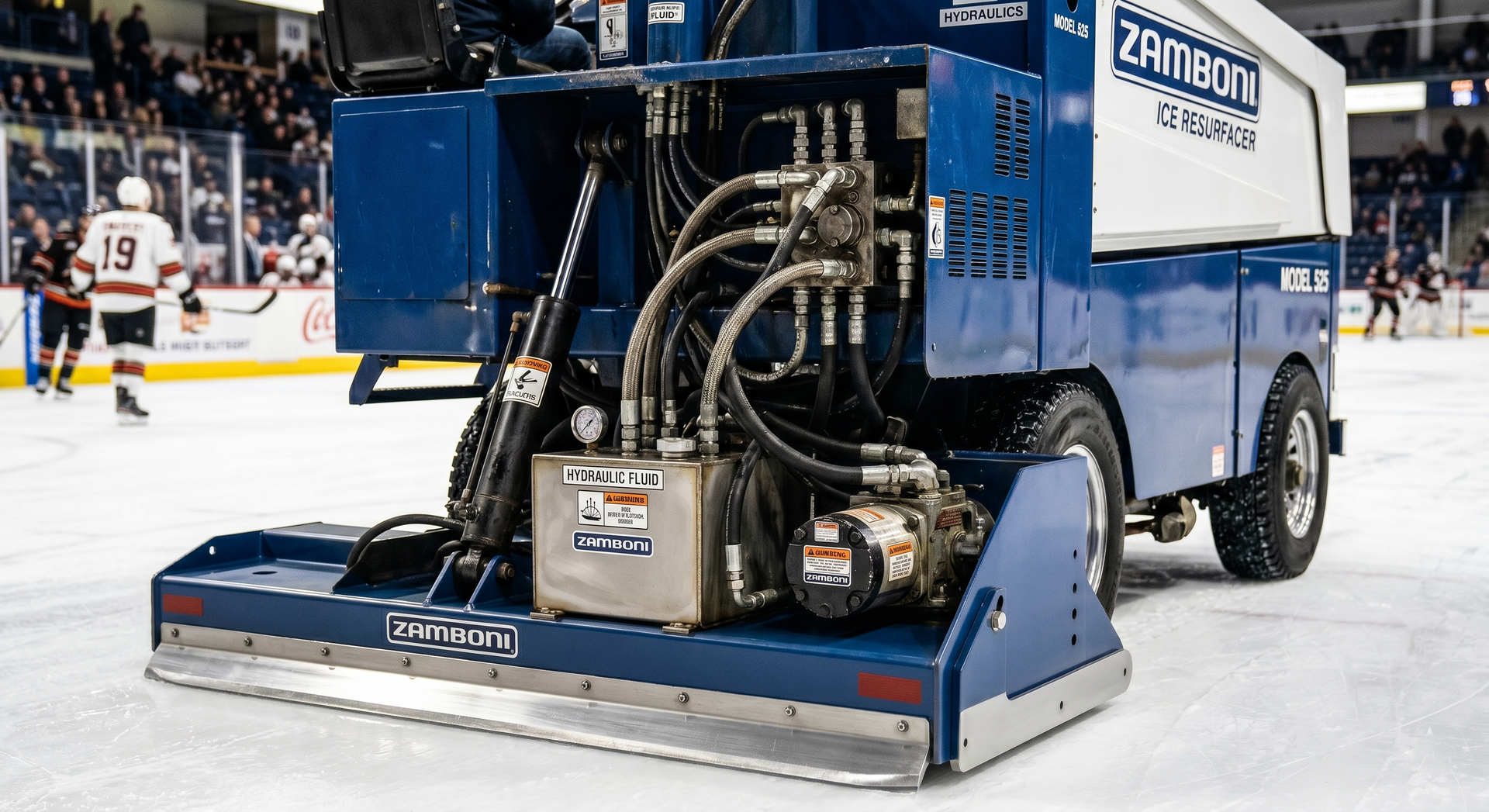
- Quick-access panels and removable floor plates, making hydraulic or battery components easy to reach.
- Tool-free filter and fluid access points, reducing time for routine service.
- Modular electrical systems, allowing component replacement in minutes rather than hours.
- Reinforced hydraulic lines and leak-resistant fittings, minimizing common failure points.
- Centralized grease points, reducing technician workload and improving consistency.
These design refinements may not grab headlines but translate into major lifecycle savings—especially for arenas that operate resurfacers multiple times per day.
Preparing for 2025 Trends — How Rinks Can Plan Ahead
Transitioning to next-generation resurfacing equipment requires more than just purchasing a new machine. Rink managers should assess operational goals, infrastructure, and staffing to ensure readiness.
Evaluate Facility Goals
Ask yourself:
- Is sustainability or electrification part of your community mandate?
- Does your rink have ventilation concerns that favor electric models?
- Are maintenance costs becoming unpredictable or excessive?
- What’s your current machine’s average downtime per season?
Answering these questions will clarify whether 2025’s new technology aligns with your operational goals.
Budget & Infrastructure Planning
Before upgrading, assess your facility’s readiness:
- Power supply: Confirm your electrical panel can handle additional amperage for charging.
- Space allocation: Dedicate an area for battery charging and technician access.
- Software integration: For IoT-enabled resurfacers, plan network connectivity and data management protocols.
- Cost planning: Account for incentives or rebates that may offset upgrade costs—many U.S. states offer grants for electric industrial equipment.
Staff Training & Adaptation
Upgrading equipment also means upgrading staff skills. Training should include:
- Safe handling and operation of high-voltage systems
- Basic diagnostic interpretation from IoT dashboards
- Battery charging and temperature management procedures
- Efficient blade replacement and hydraulic checks
CTM Services provides operator and maintenance training sessions for Olympia resurfacer clients to help teams adapt seamlessly to these newer technologies.
Frequently Asked Questions
Q: Can electric ice resurfacers handle very cold temperatures?
Yes. Olympia’s electric units are designed for cold storage environments and field-tested in northern climates. Battery performance may dip slightly in extreme cold, but insulated housings and optimized battery chemistry mitigate most efficiency loss.
Q: Will smart diagnostics require ongoing fees?
Some IoT systems use cloud storage or cellular data plans that carry subscription costs. Discuss data requirements and cost structures with your dealer before purchase.
Q: How long do hybrid or electric batteries last?
Depending on use, Olympia hybrid and electric battery packs last approximately
5–8 years. Regular inspection and temperature management help maximize lifespan.
Q: Is retrofitting older resurfacers with smart diagnostics possible?
In some cases, yes. Dealers can install monitoring kits compatible with certain Olympia models. These kits may not include full telemetry but can provide essential performance data.
The 2025 evolution of ice resurfacing technology focuses on
sustainability, intelligence, and efficiency. Olympia’s innovations—spanning electric and hybrid propulsion, real-time diagnostics, and user-centric design—are redefining what it means to operate a modern rink.
Facilities that invest early in these advancements will benefit from lower energy costs, fewer breakdowns, and enhanced ice quality. Whether you’re upgrading your existing fleet or exploring your first electric resurfacer, aligning with these 2025 trends positions your rink for long-term success.
To explore which Olympia model or upgrade best suits your facility’s needs, contact
CTM Services at
(507) 744-4424 or visit
CTM Services, Inc. Olympia Sales & Service to request a personalized consultation.