Cost Breakdown: Total Cost of Ownership for Olympia Ice Resurfacers

Purchasing an Olympia ice resurfacer is one of the most important financial decisions a rink manager can make. It’s not just about the sticker price; the real cost of ownership stretches far beyond the initial purchase. Over a resurfacer’s lifespan—typically 8 to 12 years—the true Total Cost of Ownership (TCO) includes fuel or energy costs, maintenance, parts, labor, and eventual resale value.
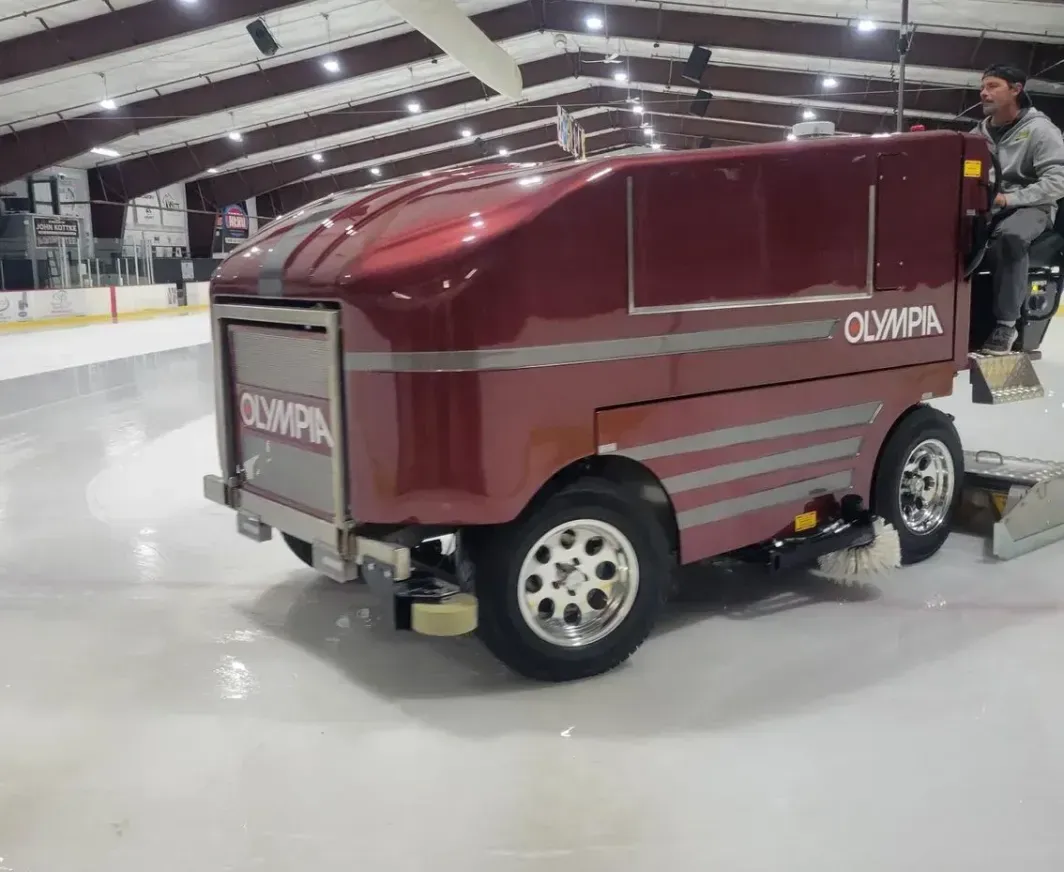
Olympia resurfacers, known for their durability and precision engineering, offer flexible ownership options: new, refurbished, or used. Each comes with distinct budget implications, risk profiles, and maintenance requirements.
This in-depth guide will help you understand what contributes to your resurfacer’s long-term costs, provide real-world examples, and outline proven strategies to manage expenses more effectively. Whether you operate a community rink, college facility, or professional venue, understanding your TCO helps you make informed, cost-effective decisions for the future.
What is the Total Cost of Ownership (TCO)?
Total Cost of Ownership represents the sum of all costs incurred throughout the equipment’s life cycle. While the initial price often gets the most attention, operational and maintenance expenses account for a much larger share over time.
TCO includes:
- Initial purchase price – The upfront investment or financing cost.
- Financing interest and fees – Any costs associated with loans or lease payments.
- Fuel or energy consumption – Ongoing operating expense that varies by machine type.
- Scheduled maintenance and parts replacement – The largest controllable long-term cost.
- Unexpected repairs and emergency service – Often overlooked but inevitable.
- Downtime losses – Revenue lost when the rink cannot operate.
- Insurance and administrative costs – Ongoing operational expenses tied to equipment value.
- Depreciation or residual value – The machine’s declining value over time and eventual resale recovery.
By analyzing these elements, rink managers gain a complete view of their resurfacer’s financial impact and can plan service schedules, financing strategies, and replacement timelines with greater precision.
Component Breakdown by Machine Type
To illustrate how each cost element contributes to the big picture, let’s break down the major financial components for new, refurbished, and used Olympia resurfacers.
1. Initial Purchase Price
| Machine Type | Typical Cost Range | Key Notes |
|---|---|---|
| New Olympia | $65,000 – $90,000 | Includes latest model features, full warranty |
| Refurbished Olympia | $30,000 – $50,000 | Lower entry cost, partial warranty |
| Used “As-Is” Unit | $10,000 – $25,000 | Highest risk, minimal documentation |
New units include cutting-edge designs, emissions compliance, and telematics readiness. Refurbished units often feature factory reconditioning, making them a strong mid-tier choice. Used resurfacers, while initially inexpensive, often demand significant maintenance in later years.
2. Financing Costs
Not all facilities can pay upfront, so financing terms are a major part of TCO.
- Interest rates: 4–6% APR through dealer financing or municipal lease programs.
- Typical loan term: 5–7 years.
- Example: A $75,000 machine at 5% APR over 7 years adds roughly $10,000–$15,000 in interest.
Cash purchases avoid financing charges but reduce liquidity—an important factor for rinks that rely on seasonal cash flow.
3. Fuel / Energy Costs
Energy is a predictable but ongoing cost driver.
- Diesel or propane models: Average consumption is about
1,000 gallons annually, costing
$3,500–$4,000 per year.
- Electric or hybrid resurfacers: Annual charging cost ranges
$2,000–$3,000, depending on regional utility rates.
Electric units save on energy and reduce ventilation costs, while fuel-based resurfacers require more frequent refueling and emissions checks.
4. Maintenance & Parts
Maintenance is where ownership costs can vary most dramatically. Even the best machines require regular service to stay reliable.
Typical annual costs include:
- Blades, filters, belts, and hoses: $4,000–$6,000
- Augers, bearings, and hydraulic components: $2,000–$3,000 (spread over 10 years)
- Electric machine battery maintenance: $1,000–$2,000 every 3–4 years
Rinks that stick to a preventive maintenance plan typically spend 20–25% less over time than those relying on reactive repairs.
5. Labor & Service
Whether handled internally or through a mobile dealer like CTM Services, labor is a recurring TCO component.
- Preventative maintenance visits: 2–4 times per year, averaging
$600–$1,200 per visit.
- Emergency repair visits: 1–2 per year, ranging
$1,500–$3,000 each.
Unscheduled repairs usually cost 1.5–2× more than routine maintenance due to travel, diagnostics, and urgent part sourcing.
6. Downtime Costs
This is one of the most overlooked and expensive factors in total ownership.
- Lost public skate sessions, hockey practices, or tournaments can cost
$500–$750 per hour.
- Extended machine failure can result in
multi-day revenue loss and schedule disruptions.
Preventive maintenance and having spare parts on hand dramatically reduce downtime-related costs.
7. Depreciation & Resale Value
Resurfacer depreciation typically follows a 10-year curve.
| Machine Type | Expected Resale Value | Retained Value After 10 Years |
|---|---|---|
| New | $20,000–$30,000 | ~30% residual value |
| Refurbished | $8,000–$12,000 | ~20% residual value |
| Used | $0–$5,000 | Minimal resale market |
Regular servicing, cosmetic upkeep, and documentation (maintenance logs, parts invoices) all strengthen resale position.
10-Year TCO Comparison
| Machine Type | Purchase | Fuel/Energy | Parts/Labor | Financing | Resale | Total Cost |
|---|---|---|---|---|---|---|
| New | $75,000 | $35,000 | $40,000 | $12,000 | –$25,000 | $137,000 |
| Refurbished | $40,000 | $45,000² | $50,000 | $0 | –$10,000 | $125,000 |
| Used | $15,000 | $55,000³ | $60,000+ | $0 | $0 | $130,000+ |
² Higher maintenance cost due to age and component wear.
³ Older engines burn more fuel and require more frequent service.
While new machines have higher upfront costs, they offer warranty protection and lower risk. Refurbished resurfacers deliver strong long-term value with moderate upkeep, while used units may appear economical but often require extensive midlife repairs.
Real-World Example: Community Rink Case Study
A mid-sized municipal rink purchased a new Olympia resurfacer in 2022 through a financing plan. Over eight seasons, they tracked:
- Fuel costs:
≈ $32,000
- Maintenance and parts:
≈ $38,000
- Emergency service:
$4,500 total across two incidents
- Estimated resale value:
$22,000 after 8 years
Total actual TCO: ~$123,500
Their initial budget projected $140,000, but through preventative maintenance and quarterly inspections, they reduced downtime by nearly 30%.
Had the rink opted for a refurbished Olympia, the 8-year cost would have been within 5–10% of the same total, though with more frequent service intervals. The key takeaway: the newest model is not always the cheapest long-term, but it delivers stability and fewer operational risks.
Strategies to Optimize TCO
Managing total ownership costs isn’t about eliminating expenses—it’s about controlling them strategically. Below are proven methods from rink operators and Olympia-certified service providers.
1. Financing vs. Cash Trade-offs
Low-interest financing spreads out costs and preserves capital for other facility needs. Paying in cash avoids interest but can reduce flexibility for future equipment upgrades.
2. Prioritize Preventative Maintenance
Scheduled inspections every 100–150 operating hours drastically reduce unexpected failures. Keeping service logs builds machine value and extends component life.
3. Use Only OEM Parts
Cheaper aftermarket components can lead to cascading damage. OEM Olympia parts ensure compatibility, maintain warranty coverage, and minimize repair frequency.
4. Maintain a Critical Parts Inventory
Having hydraulic hoses, blades, filters, and belts on-site ensures faster repairs and eliminates costly downtime while waiting for shipments.
5. Track Fuel and Energy Use
Monitor monthly energy consumption. Anomalies in fuel or electricity use can reveal emerging mechanical inefficiencies early.
6. Plan for Resale
A clean, well-maintained machine with complete documentation fetches higher resale value and attracts more buyers.
Frequently Asked Questions
Q: Are electric resurfacers cheaper to operate long-term?
Yes. Although initial costs are higher, electric models typically reduce annual energy expenses by 40–50% and eliminate fuel handling.
Q: Is TCO always lower for refurbished machines?
Usually, yes—but it depends on refurbishment quality and machine history. Units refurbished by authorized Olympia dealers provide the best ROI.
Q: How do emergency repairs impact total cost?
Unplanned breakdowns can increase yearly expenses by 15–25%. Regular servicing and having spare parts available help prevent these costly events.
Q: How can I calculate my rink’s specific TCO?
Track all related costs—fuel, parts, labor, and downtime—over a 12-month period, then project based on expected lifespan. CTM Services can assist with accurate forecasting.
A resurfacer’s true cost extends far beyond the purchase price. Understanding your Total Cost of Ownership provides a clearer, more realistic picture of the investment your rink is making.
- New resurfacers offer reliability and warranty protection.
- Refurbished units provide near-equal performance with lower capital costs.
- Used resurfacers can fill short-term needs but often carry higher maintenance risks.
Smart financial planning—combined with proactive maintenance and OEM support—ensures your Olympia resurfacer delivers exceptional performance for years while keeping your long-term operating costs predictable.
For a customized TCO analysis or to discuss Olympia model options that fit your budget, contact CTM Services at (507) 744-4424 or visit https://ctm-services.com for expert consultation.