Ice resurfacers are engineered to perform in demanding environments, but not all operating conditions are equal. Climate and usage patterns play a major role in how quickly components wear, how frequently maintenance is required, and how long the machine remains reliable. Facilities that understand these factors can adjust maintenance strategies proactively, reducing downtime and extending equipment lifespan.
Climate influences nearly every system on an ice resurfacer. Cold temperatures, humidity levels, seasonal fluctuations, and even water quality affect how components age. Usage patterns add another layer, determining how often those components are stressed and how quickly wear accumulates. Together, climate and usage form the operating context that shapes long-term performance.
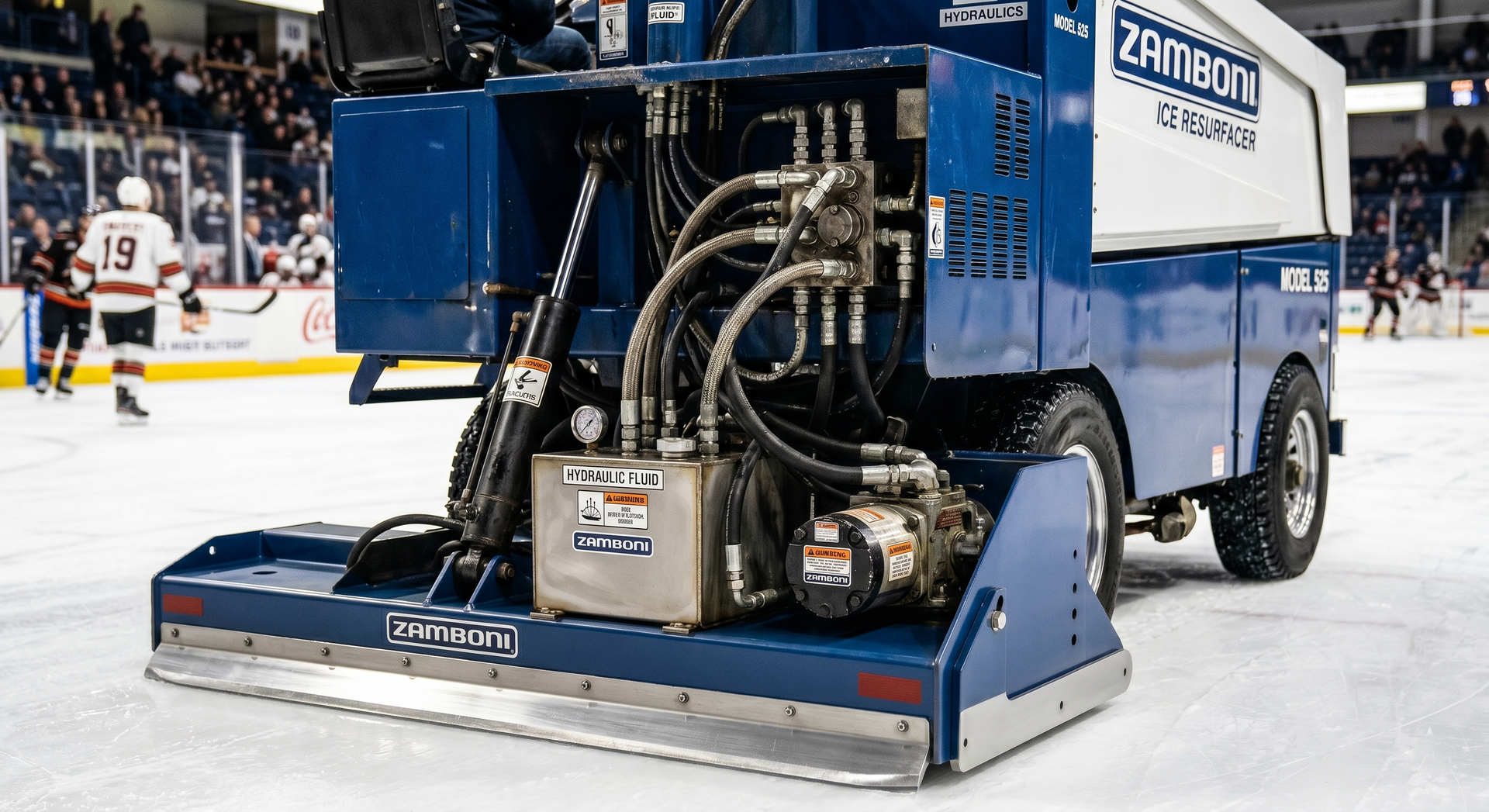
Cold climates present unique challenges. Low temperatures increase the viscosity of hydraulic fluids, making systems work harder during startup and operation. Thicker fluids flow less efficiently, increasing pressure and stress on pumps, hoses, and seals. While manufacturers specify fluids designed for cold environments, even appropriate fluids are affected by extreme conditions. Facilities in colder regions often experience higher rates of hose fatigue and seal wear, particularly if machines are operated immediately after cold starts without sufficient warm-up.
Cold conditions also affect metal components. Repeated thermal cycling causes expansion and contraction that gradually loosens fasteners and stresses welds. Bearings and bushings may experience increased friction until temperatures stabilize. Preventative maintenance in cold climates should emphasize warm-up procedures, frequent inspection of hydraulic hoses, and attention to fasteners that may loosen over time.
Humidity is another climate factor that accelerates wear. Rinks located in humid regions or coastal areas often experience higher corrosion rates. Moisture exposure affects electrical connectors, fasteners, and exposed metal surfaces. Over time, corrosion increases electrical resistance, weakens structural components, and complicates maintenance. Facilities operating in humid environments benefit from more frequent cleaning, corrosion protection measures, and inspection of electrical systems.
Seasonal transitions are particularly stressful for ice resurfacers. Machines that operate year-round experience repeated shifts between warmer and colder conditions. These transitions affect fluids, seals, and electrical components. For seasonal rinks that shut down for part of the year, storage conditions become critical. Machines left in damp or poorly ventilated spaces during off-season months often suffer corrosion, degraded hoses, and electrical issues that appear when operations resume.
Water quality, influenced by local climate and municipal supply, also contributes to wear. Minerals in water can build up in spray nozzles, valves, and tanks, affecting water distribution and ice quality. Over time, mineral deposits increase cleaning requirements and may cause uneven resurfacing if not addressed. Preventative maintenance should include periodic inspection and cleaning of water systems, especially in regions with hard water.
Usage intensity is the second major factor affecting wear. A resurfacer operating once or twice per day experiences a very different wear profile than one running every hour during tournaments or multi-sheet events. High-frequency use accelerates wear on blades, augers, belts, and drivetrains. It also reduces the time available for components to cool between cycles, increasing thermal stress.
High-usage facilities often reach service intervals more quickly and should adjust maintenance schedules accordingly. Relying on calendar-based maintenance rather than operating hours can lead to under-servicing. Tracking actual machine hours provides a more accurate picture of wear and helps facilities schedule maintenance before problems develop.
Peak usage periods create concentrated stress. Tournaments, camps, and special events often involve extended operating hours over short timeframes. During these periods, machines may be operated continuously with minimal downtime. Without adequate monitoring, fluids may degrade more quickly, belts may overheat, and components may reach wear limits sooner than expected. Facilities should anticipate these peaks and perform inspections before and after heavy-use periods.
Usage patterns also affect operator behavior. During busy schedules, operators may rush, increasing the likelihood of aggressive driving, abrupt stops, or shortcuts in cleaning and inspection routines. These habits amplify wear, particularly on drivetrains and hydraulics. Facilities that recognize the link between workload and operator behavior can mitigate risk through staffing adjustments and clear operating expectations.
Light-usage facilities face different challenges. Machines that sit idle for extended periods may experience seal drying, battery degradation, or fuel system issues. Infrequent use does not eliminate wear; it shifts it. Fluids may degrade over time, corrosion may develop, and starting systems may suffer. Preventative maintenance for low-usage machines should include periodic operation, fluid checks, and storage preparation to prevent deterioration.
Mixed-use facilities, such as those hosting seasonal programs or varying schedules, require flexible maintenance strategies. A resurfacer may operate heavily during winter and lightly during summer. Maintenance plans should adapt to these cycles, increasing inspection frequency during high-use periods and focusing on storage protection during downtime.
Climate and usage also interact in complex ways. For example, a high-usage rink in a cold climate faces compounded stress from frequent operation and thermal challenges. Similarly, a humid environment combined with heavy usage accelerates corrosion and electrical wear. Understanding these interactions helps facilities prioritize maintenance tasks that address their specific risk profile.
Documentation plays an important role in managing climate- and usage-related wear. Tracking operating hours, maintenance activities, component replacements, and environmental conditions provides insight into how the machine responds over time. Facilities that review this data can identify patterns, such as increased hose failures during colder months or faster blade wear during peak seasons. This information supports proactive decision-making and targeted maintenance.
Adapting maintenance practices to climate and usage conditions improves reliability. In cold climates, this may include extended warm-up procedures, more frequent hydraulic inspections, and winter-grade lubricants. In humid environments, corrosion prevention and electrical inspections become priorities. For high-usage rinks, shorter service intervals and increased monitoring reduce breakdown risk. For low-usage facilities, storage preparation and periodic operation prevent stagnation-related issues.
Ignoring the influence of climate and usage often leads to mismatched maintenance strategies. Applying the same schedule across all facilities, regardless of conditions, results in over-servicing some machines and under-servicing others. A tailored approach recognizes that wear is not uniform and adjusts care accordingly.
Ultimately, ice resurfacer wear is not determined solely by machine quality. Operating environment and usage patterns shape how components age and fail. Facilities that understand these factors gain greater control over maintenance planning, budgeting, and equipment lifespan. By aligning maintenance practices with real-world conditions, rinks can reduce downtime, extend service life, and maintain consistent ice quality.
Managing wear is about anticipation rather than reaction. Climate and usage provide valuable signals about where stress accumulates and when intervention is needed. Facilities that pay attention to these signals are better equipped to keep their resurfacers running reliably through changing seasons and demanding schedules.