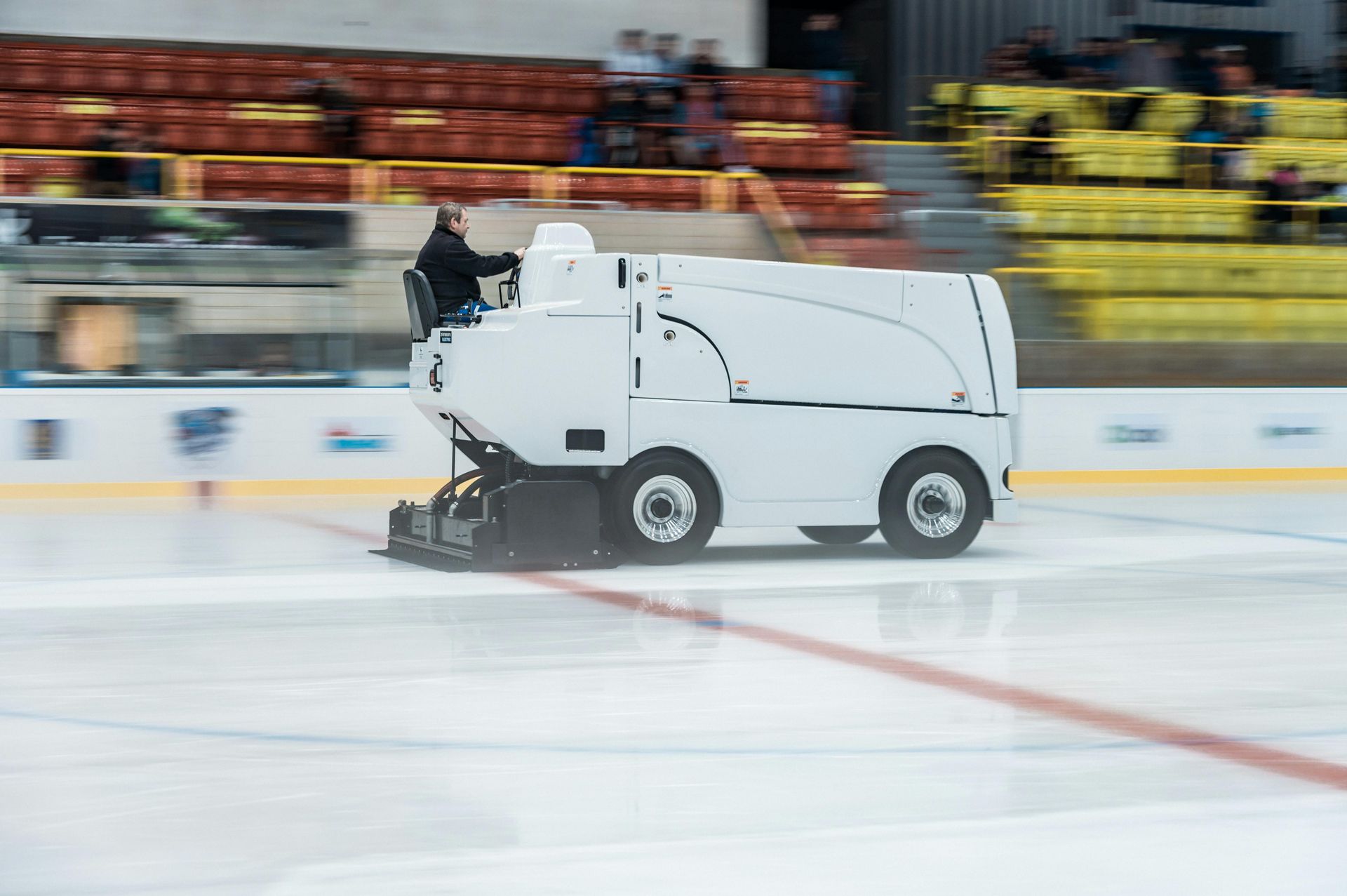
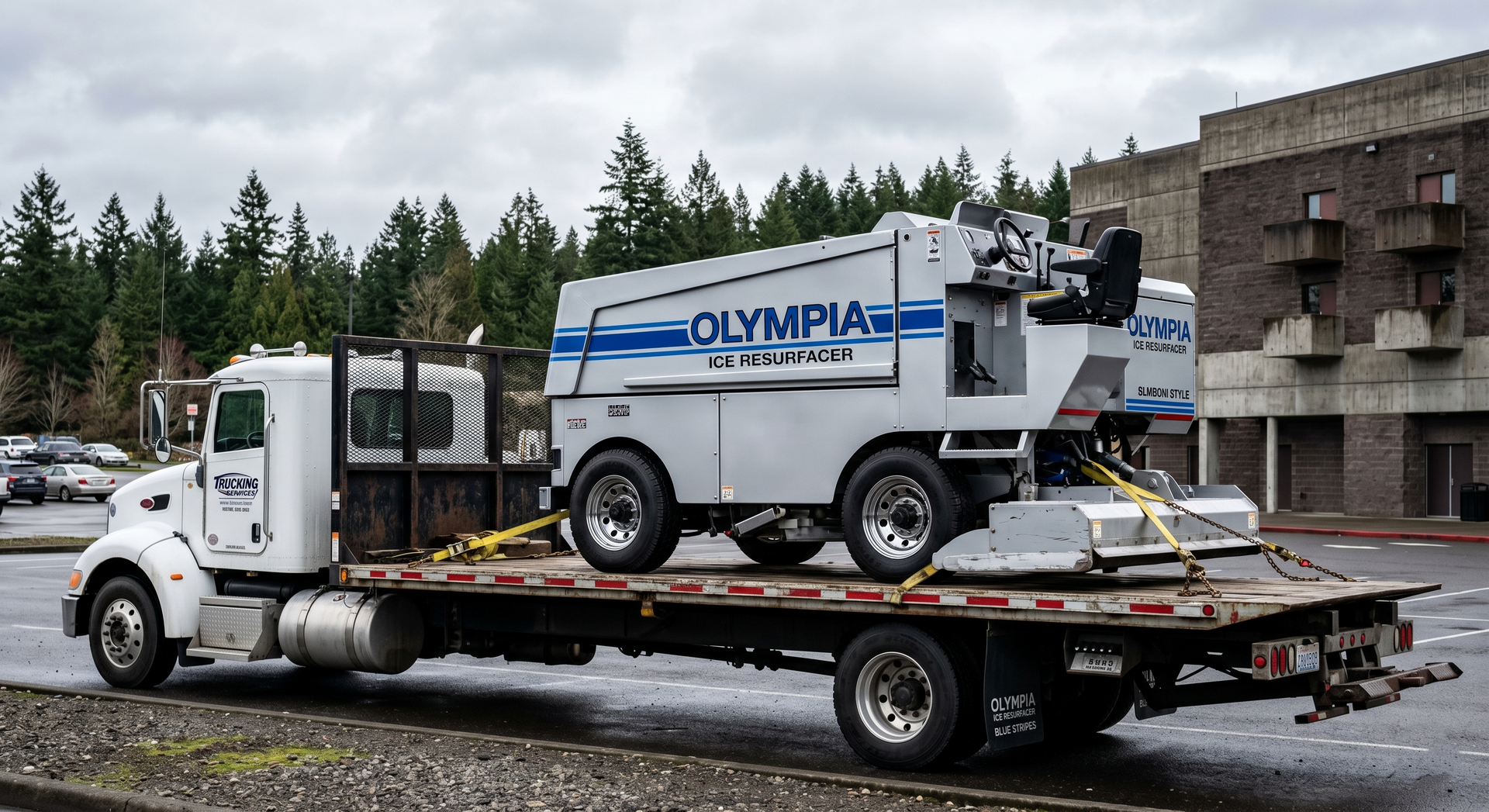
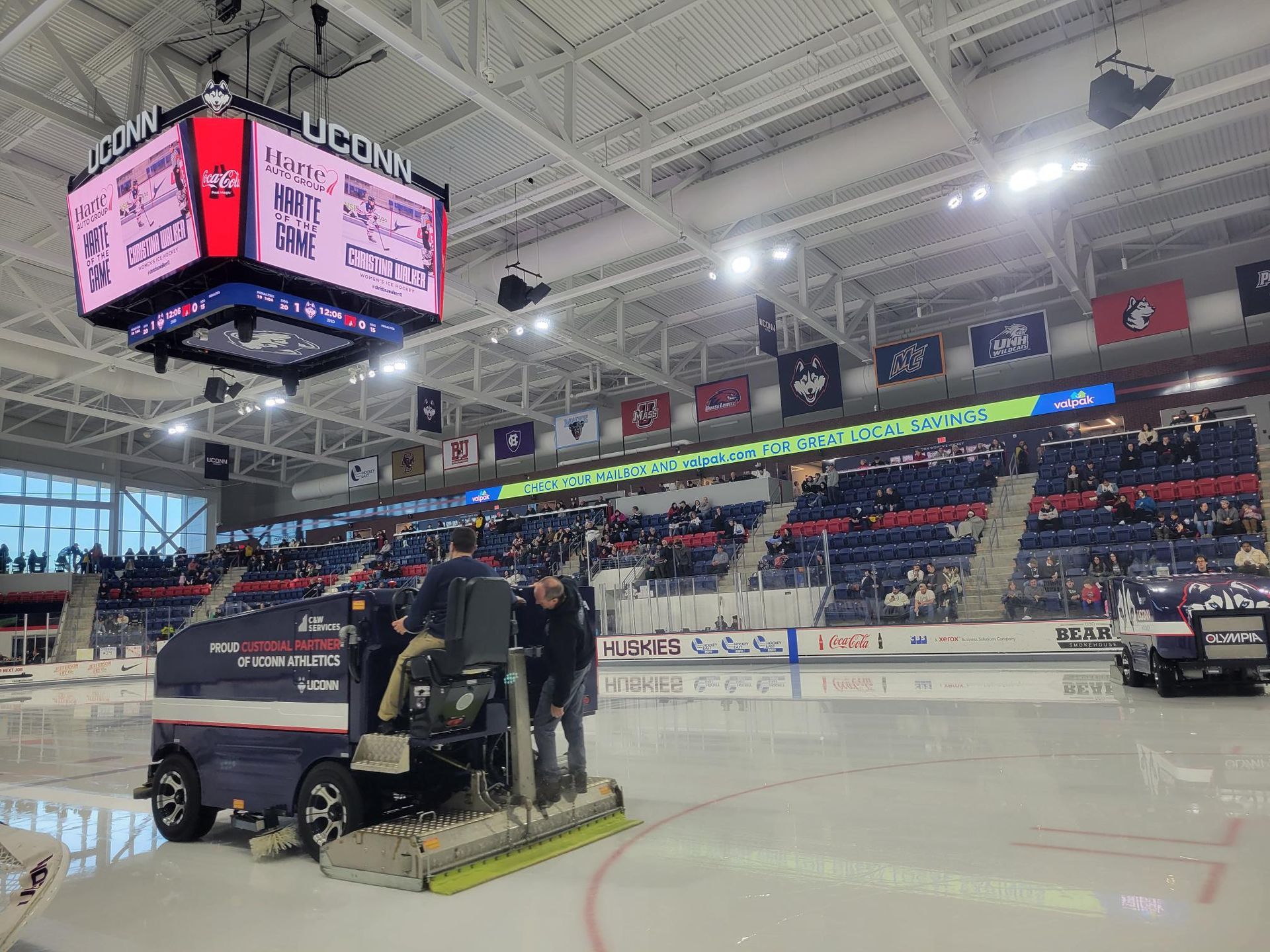
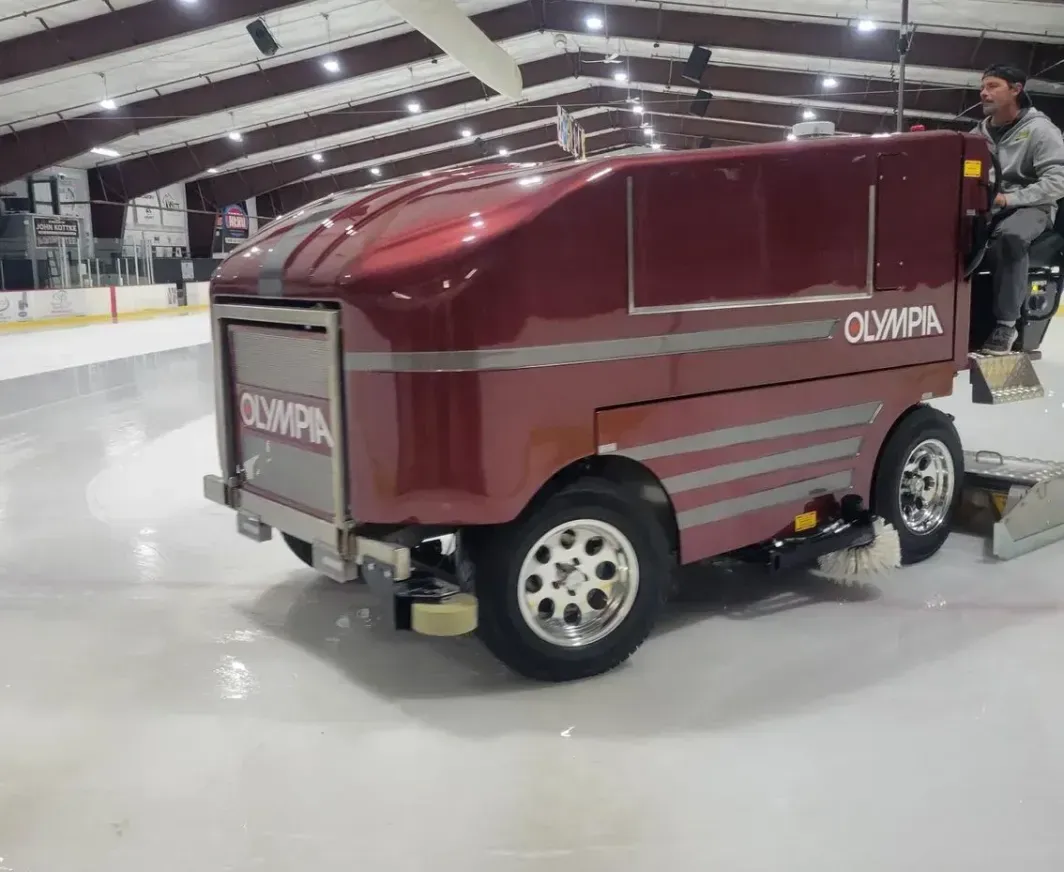
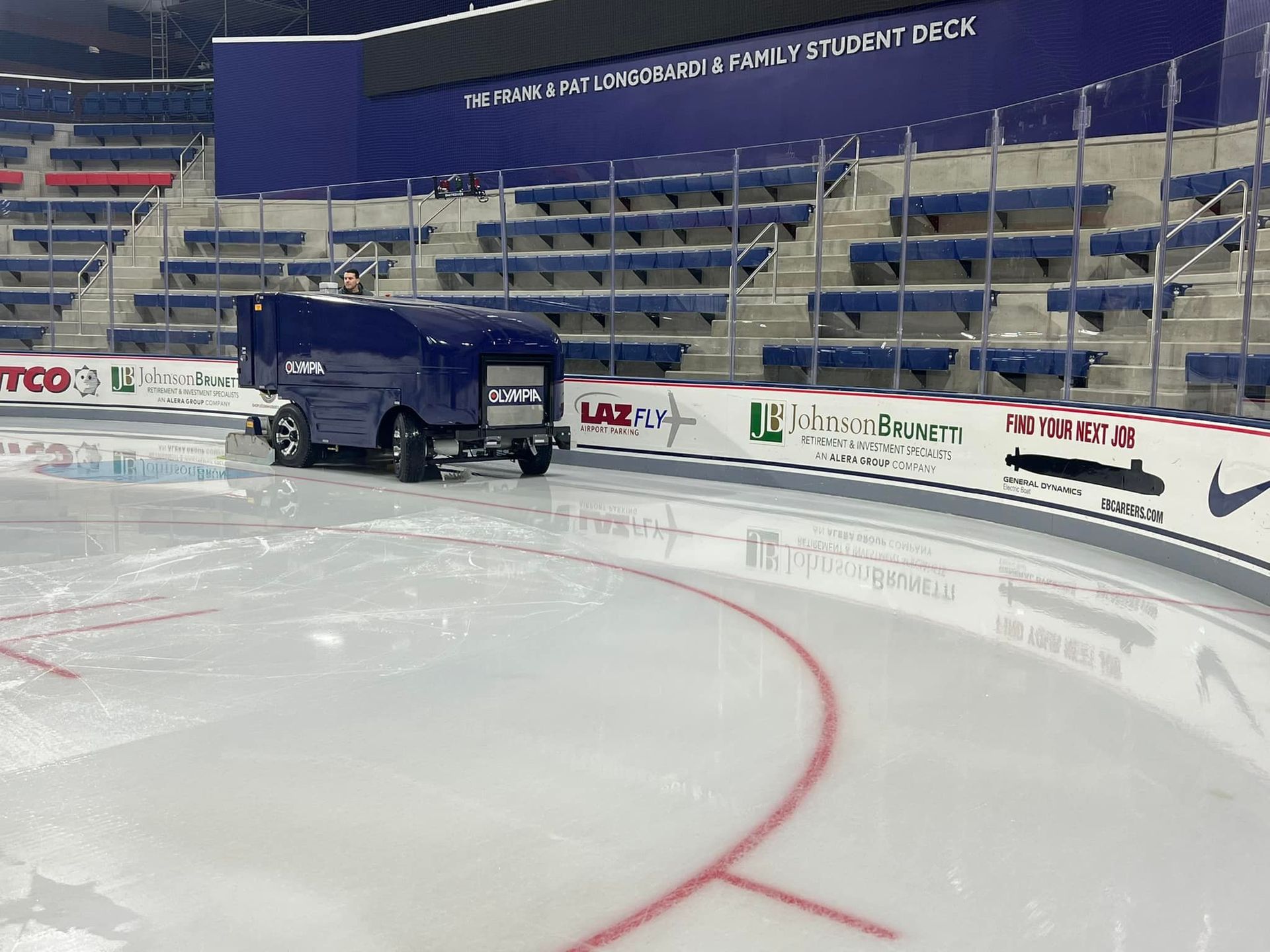
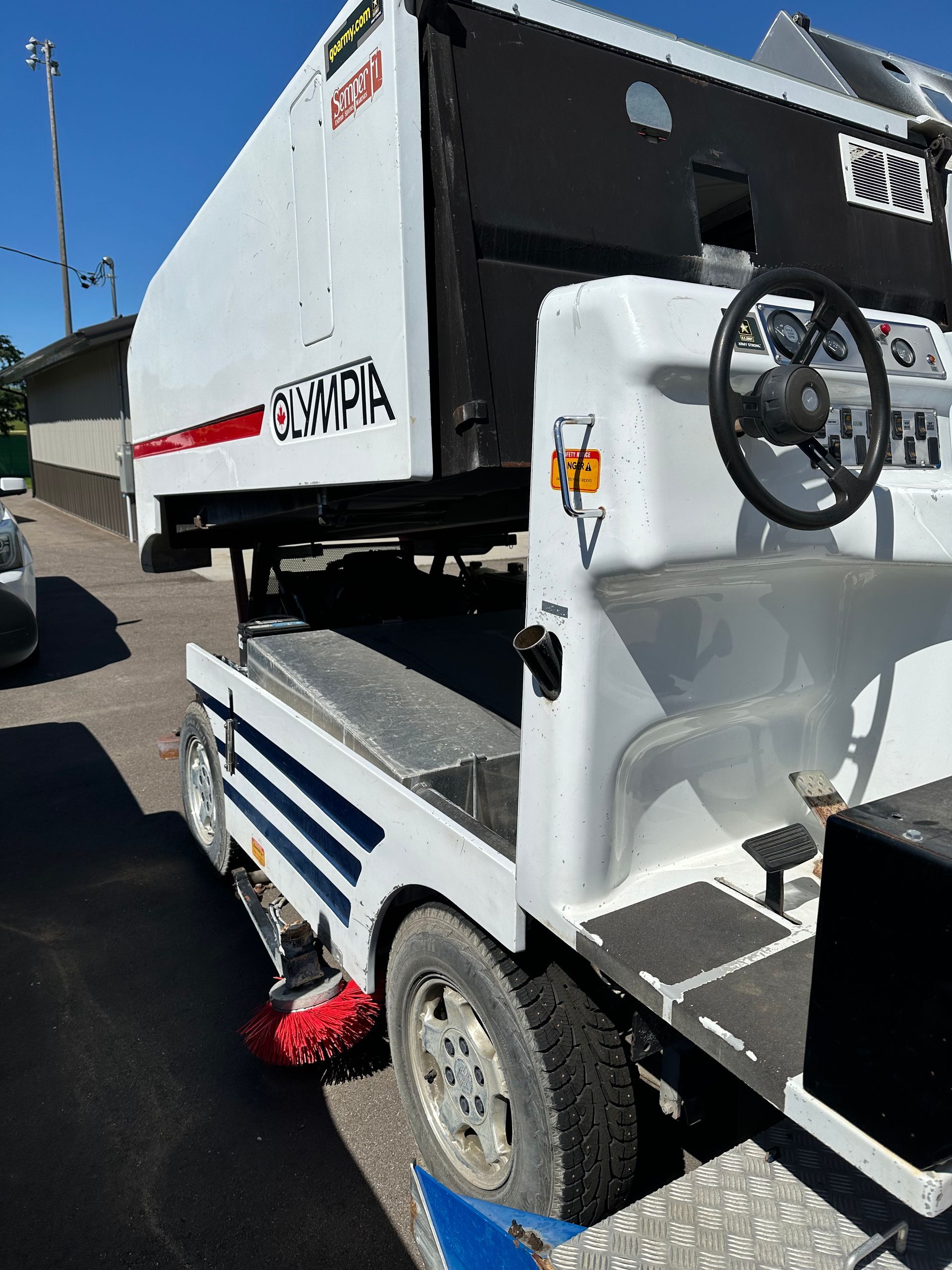
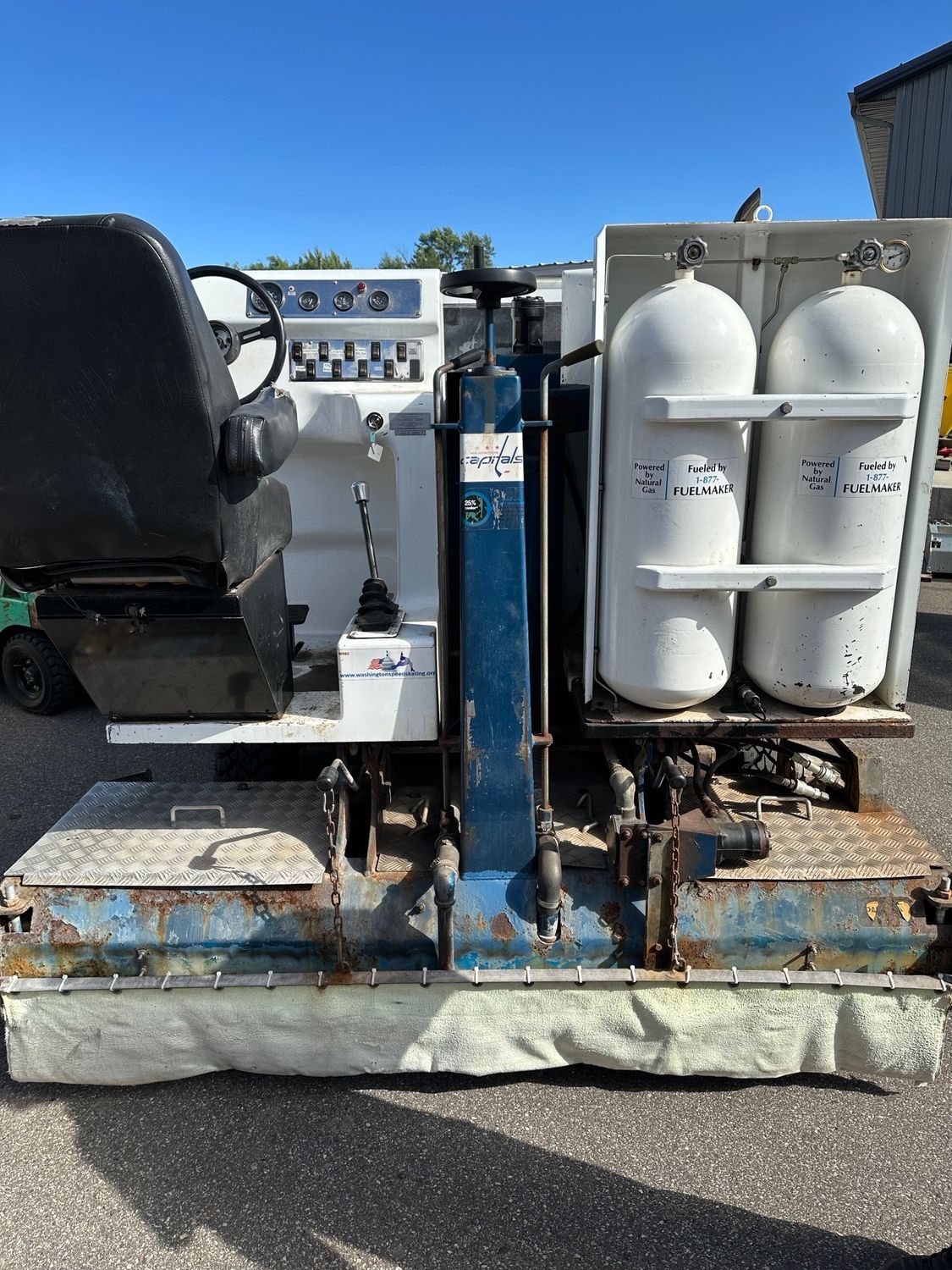
When skaters complain about choppy ice, inconsistent glide, or visible surface defects, attention often turns to water quality, refrigeration settings, or blade sharpness. While all of these factors influence ice conditions, one of the most significant contributors to ice quality is frequently overlooked: preventative maintenance of the ice resurfacer itself. The condition of the machine performing the resurfacing has a direct, measurable effect on how smooth, safe, and consistent the ice surface becomes.
Preventative maintenance is often discussed in terms of cost control or equipment longevity, but its impact on ice quality is just as important. A resurfacer that is slightly out of calibration, operating with worn components, or suffering from fluid degradation may still function, but it will not produce optimal results. Over time, these small deficiencies accumulate, leading to ice that requires additional corrective work and increased machine usage.
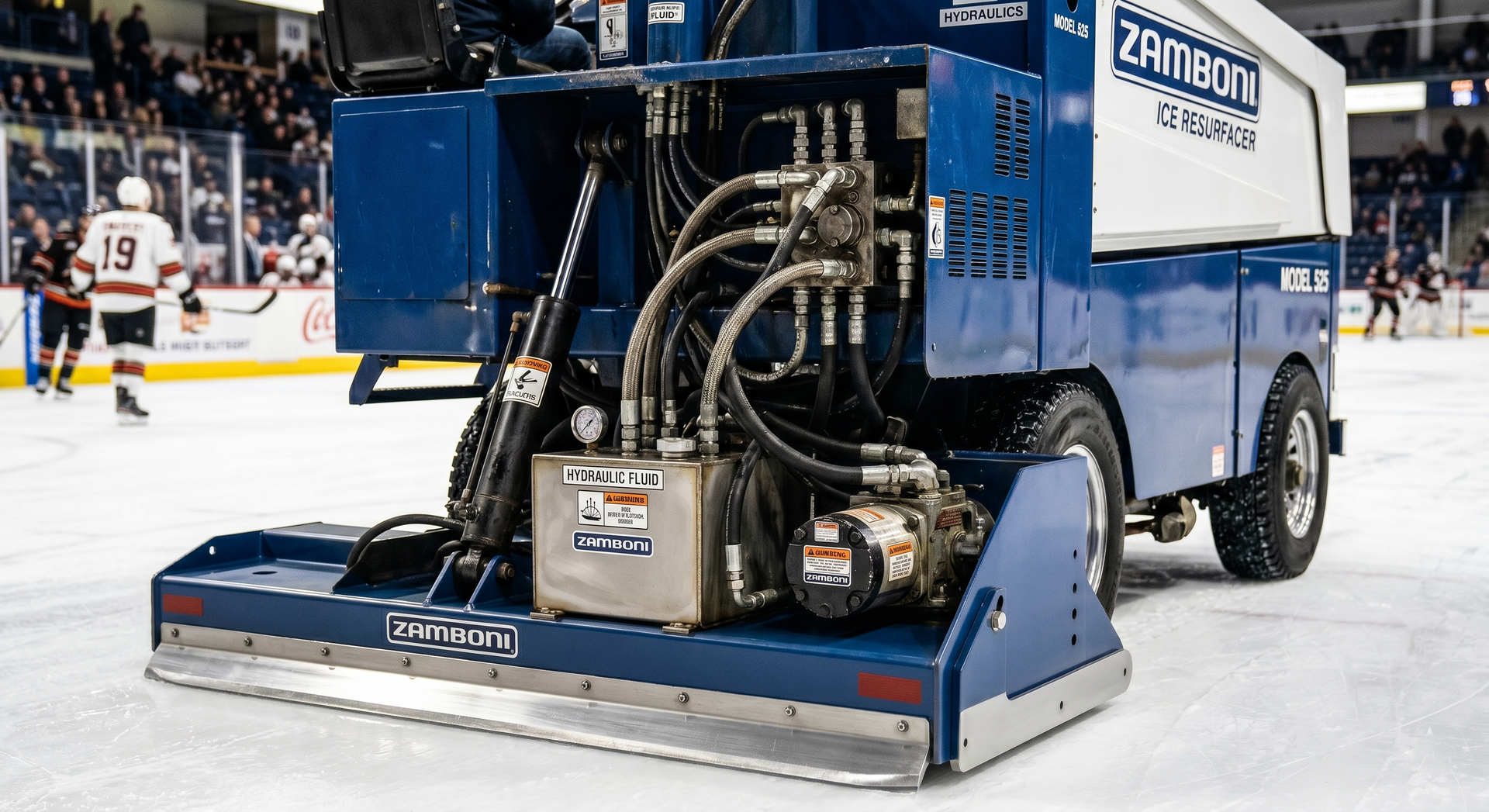
One of the clearest links between maintenance and ice quality is blade condition and alignment. A blade that is dull, unevenly worn, or improperly mounted cannot cut ice uniformly. Even minor inconsistencies in blade contact cause ridges, chatter marks, or uneven shavings. Preventative maintenance routines that include regular blade inspection, sharpening schedules, and proper mounting checks ensure the blade interacts with the ice surface as designed. When blade maintenance is deferred, operators often compensate by adjusting depth or speed, which worsens surface consistency and increases mechanical strain.
Hydraulic system health is another major factor influencing ice quality. The hydraulic system controls blade height, conditioner movement, and snow handling functions. If hydraulic fluid is contaminated, degraded, or improperly pressurized, these movements become less precise. Small fluctuations in hydraulic response may not cause immediate failure, but they lead to subtle inconsistencies in blade depth and water distribution. Preventative maintenance that includes timely fluid changes, filter replacement, and hose inspection preserves the responsiveness of the system and supports consistent resurfacing results.
Water distribution systems are equally affected by maintenance practices. Nozzles, spray bars, and valves must deliver water evenly across the ice surface. Mineral buildup, debris, or wear within these components alters spray patterns and coverage. When water distribution becomes uneven, the resurfaced ice may develop thin spots, soft areas, or surface imperfections. Preventative cleaning and inspection of water delivery components ensure uniform application and reduce the need for corrective passes.
The auger and snow collection system also play a role in surface quality. Worn auger components or slipping belts reduce the machine’s ability to remove snow effectively. When snow is not fully collected, residual shavings interfere with the fresh water layer, leading to rough or inconsistent finishes. Preventative maintenance that includes auger inspection, belt tension checks, and bearing lubrication ensures efficient snow removal and cleaner resurfacing passes.
Drivetrain and propulsion systems influence ice quality indirectly through machine stability. Excessive vibration caused by worn components, misalignment, or uneven tire pressure can translate into surface irregularities. A resurfacer that vibrates or tracks inconsistently is more difficult to control precisely. Preventative maintenance that addresses drivetrain wear, maintains proper tire inflation, and corrects alignment issues contributes to smoother operation and better surface results.
Electrical systems and controls also affect ice quality, particularly on newer machines. Sensors, control interfaces, and safety interlocks must function correctly for the resurfacer to operate as intended. Electrical degradation can lead to delayed responses, inconsistent settings, or operator compensation that reduces consistency. Routine inspection of wiring, connectors, and control panels helps prevent these issues and maintains predictable performance.
Operator confidence is another indirect but important outcome of preventative maintenance. When operators trust that the machine is functioning correctly, they are more likely to focus on technique and consistency rather than compensating for mechanical quirks. A resurfacer that responds predictably allows operators to maintain steady speed, consistent overlap, and proper edging patterns. This confidence translates into better ice quality over time.
Preventative maintenance also reduces the need for corrective resurfacing. Facilities with poorly maintained machines often find themselves resurfacing more frequently to correct issues caused by inconsistent passes. Each additional resurfacing increases wear, energy use, and labor costs. By maintaining the machine properly, facilities can achieve desired ice quality with fewer passes, reducing overall strain on equipment and staff.
Seasonal variations further highlight the relationship between maintenance and ice quality. During peak seasons, ice conditions change rapidly due to heavy use. A well-maintained resurfacer adapts more effectively to these conditions, delivering consistent results even as ice hardness and moisture levels fluctuate. Preventative maintenance performed before peak season ensures the machine is prepared to handle increased demand without sacrificing quality.
Documentation is a critical component of maintenance-driven ice quality management. Tracking blade changes, fluid services, component replacements, and performance observations creates a feedback loop between maintenance and ice conditions. When issues arise, facilities with good records can identify whether a mechanical factor contributed to the problem. This data-driven approach improves decision-making and reduces guesswork.
Preventative maintenance also supports consistency across operators. When the machine is maintained to a known standard, operators work from the same baseline. This reduces variability in outcomes and makes training more effective. Consistent equipment behavior allows facilities to develop standardized resurfacing practices that deliver predictable ice quality regardless of who is operating the machine.
Facilities that neglect preventative maintenance often experience a gradual decline in ice quality rather than sudden failure. Because the change is incremental, staff may adapt without recognizing the root cause. Over time, skater complaints increase, maintenance costs rise, and the resurfacer becomes more difficult to operate effectively. Preventative maintenance interrupts this cycle by addressing issues before they affect surface conditions.
From a safety perspective, ice quality is closely linked to maintenance. Uneven surfaces, soft spots, and inconsistent thickness increase the risk of falls and injuries. By maintaining resurfacing equipment properly, facilities reduce surface defects that compromise safety. This is particularly important in competitive environments where speed and edge control are critical.
The relationship between preventative maintenance and ice quality underscores the importance of viewing maintenance as a performance tool rather than a background task. Equipment condition directly influences the skating experience. Facilities that prioritize preventative care not only extend machine life but also deliver better ice day after day.
In the long term, investing time and resources into preventative maintenance creates a positive feedback cycle. Better-maintained machines produce better ice, which reduces corrective work and wear, which in turn lowers maintenance demands. This cycle stabilizes operations and improves both skater satisfaction and budget predictability.
Ice quality is not solely a function of refrigeration or water chemistry. It is the result of multiple interconnected systems working together, with the ice resurfacer at the center. Preventative maintenance ensures that this critical piece of equipment performs consistently and predictably. Facilities that understand and act on this connection gain a competitive advantage in delivering safe, high-quality ice surfaces throughout the season.