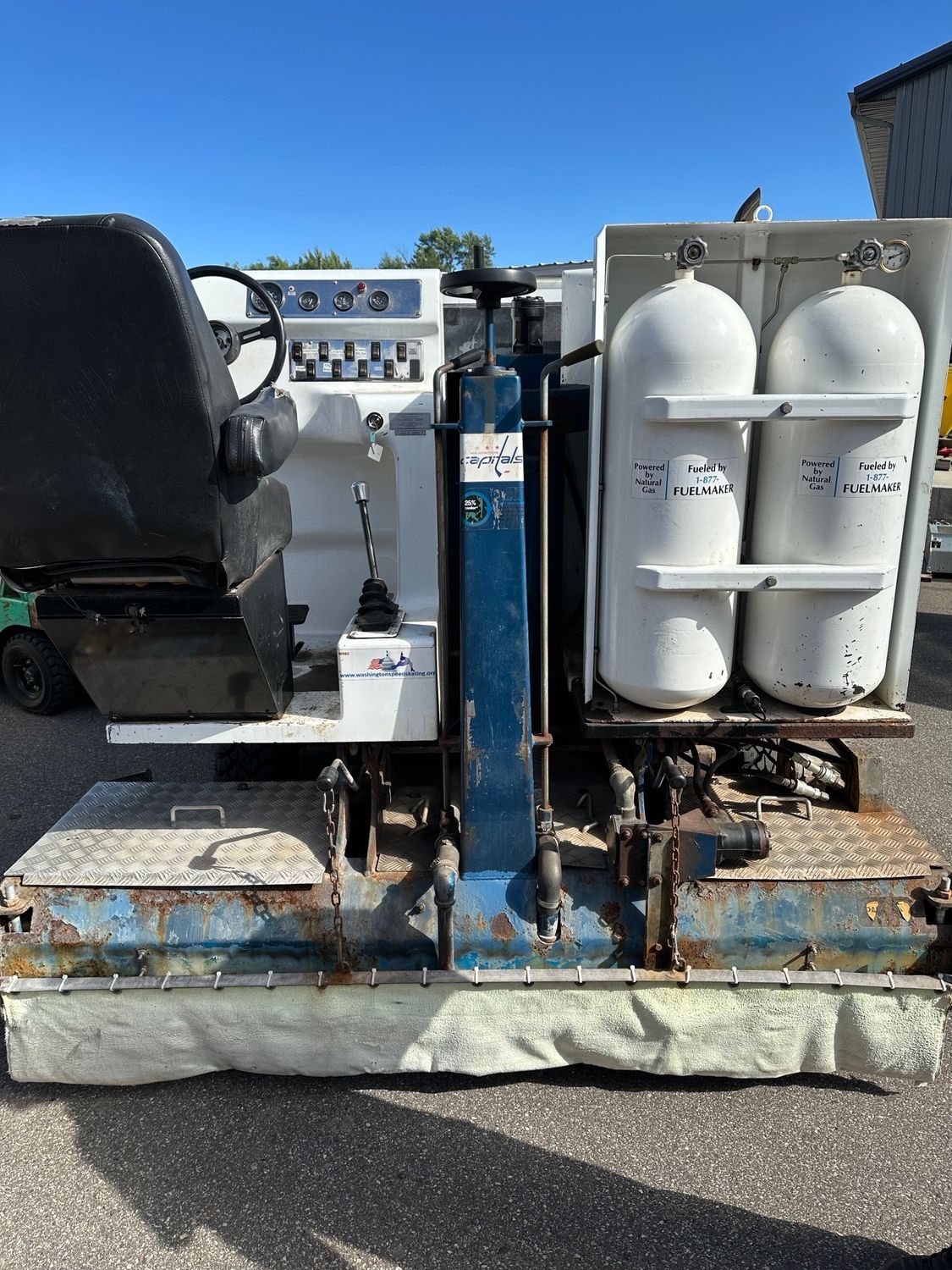
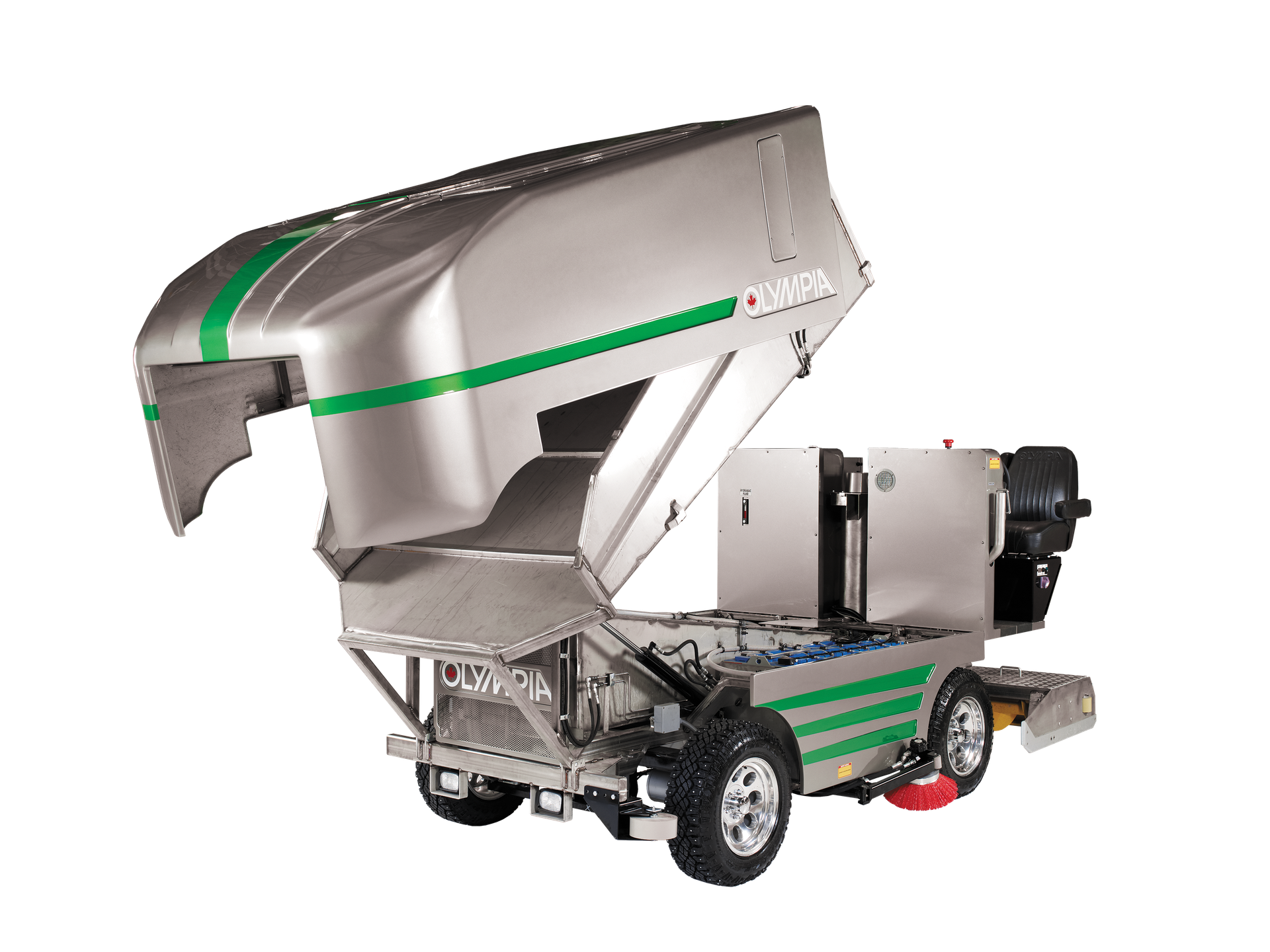
Hydraulic systems are the backbone of modern ice resurfacers.
While engines, batteries, and blades tend to receive the most attention, it is hydraulics that make most resurfacing functions possible. Blade lift, conditioner control, auger operation, snow handling, and various auxiliary movements all rely on hydraulic power. When hydraulics perform smoothly, resurfacing appears effortless. When they do not, machines quickly become unreliable or unsafe.
Despite their importance, hydraulic systems are often misunderstood by rink operators and facility managers. Hydraulics can seem complex or intimidating, leading to a tendency to address issues only after a visible leak or failure occurs. In reality, understanding how these systems work and how they wear allows facilities to prevent many of the most disruptive breakdowns.
At its core, an ice resurfacer hydraulic system uses pressurized fluid to transfer power. A hydraulic pump generates pressure, which is distributed through hoses and valves to cylinders and motors that perform mechanical work. Because fluid is incompressible, hydraulic systems deliver precise and powerful movement even under heavy load. This precision is essential for controlling blade height and conditioner position accurately.
One of the defining characteristics of hydraulic systems is sensitivity to fluid condition. Hydraulic oil must maintain proper viscosity, cleanliness, and temperature range to function correctly. When oil degrades, becomes contaminated, or overheats, system performance suffers. Valves may respond sluggishly, cylinders may drift, and pressure may fluctuate. These issues often begin subtly, long before a visible failure occurs.
Hydraulic hoses are among the most common failure points. Hoses operate under constant pressure while being exposed to vibration, temperature changes, and mechanical movement. Over time, the rubber compounds harden and crack, particularly near fittings where stress concentrates. Cold temperatures accelerate this process, making hoses more brittle. A hose that appears intact can fail suddenly once its internal structure weakens.
Preventing hose failures requires proactive inspection rather than waiting for leaks. Daily visual checks should look for dampness, abrasion, cracking, or bulging. Protective sleeves should be intact and properly positioned. Hoses that show early signs of wear should be replaced even if they have not yet leaked. This approach avoids sudden pressure loss that can disable the resurfacer during operation.
Hydraulic fittings and connections are another common source of issues. Vibration gradually loosens fittings, and thermal cycling causes expansion and contraction that stresses threads and seals. Small leaks often begin at fittings and may be mistaken for hose failures. Routine tightening and inspection of fittings help maintain system integrity. However, over-tightening can be just as problematic, damaging threads or deforming seals. Proper torque practices are important.
Hydraulic pumps and motors are designed for long service life, but they are not immune to wear. Contaminated fluid is the primary cause of premature pump failure. Microscopic particles suspended in oil abrade internal surfaces, gradually reducing efficiency. As pump efficiency declines, pressure drops and heat increases, accelerating wear throughout the system. Regular filter replacement and fluid changes are critical for protecting these components.
Valves and control blocks also depend on clean fluid. Spools and passages within valves are machined to tight tolerances. Even small amounts of contamination can cause sticking or inconsistent movement. When valves stick, operators may notice delayed response or jerky motion. These symptoms are often misattributed to mechanical problems when the underlying issue is hydraulic cleanliness.
Temperature management is another key factor in hydraulic health. Excessive heat degrades oil and damages seals. Heat can build up due to restricted flow, overworked components, or inadequate cooling. Monitoring fluid temperature and addressing overheating early prevents cascading damage. In cold environments, the opposite problem can occur. Thickened oil increases pressure during startup, stressing hoses and seals. Proper warm-up procedures help mitigate this risk.
Maintenance practices for hydraulic systems should be structured and consistent. Fluid changes at recommended intervals remove contaminants and restore proper viscosity. Filters should be replaced on schedule and inspected for debris that may indicate internal wear. When filters show excessive metal particles, further investigation is warranted before a major failure occurs.
System flushing is sometimes necessary, particularly after component failure or contamination events. Flushing removes debris that would otherwise circulate and damage new components. While flushing requires additional time and cost, it is far less expensive than repeated component failures caused by residual contamination.
Hydraulic cylinders deserve special attention. Cylinder rods must remain clean and free of corrosion. Dirt or rust on rods damages seals during movement, leading to leaks and reduced performance. Wiping rods clean during routine inspections and addressing corrosion early extends cylinder life. Seal replacement should be performed proactively when leakage begins, rather than allowing fluid loss to worsen.
Operator behavior influences hydraulic longevity more than many facilities realize. Abrupt control movements create pressure spikes that stress hoses, valves, and seals. Riding controls or making adjustments under heavy load increases wear. Trained operators use smooth, deliberate inputs and allow systems to respond naturally. This reduces shock loading and prolongs component life.
Storage conditions also affect hydraulics. Machines stored in damp environments experience accelerated corrosion on fittings and cylinder rods. Snow and ice buildup left on hydraulic components can melt and refreeze, stressing seals and hoses. Indoor storage, proper cleaning, and moisture control reduce these risks significantly.
Documentation is an often-overlooked tool in hydraulic maintenance. Tracking hose replacements, fluid changes, filter intervals, and observed issues provides insight into system health. Patterns such as repeated hose failures in the same area may indicate routing or vibration problems that need correction. Without records, facilities may treat each failure as isolated rather than addressing root causes.
Understanding hydraulics also improves troubleshooting. When operators and maintenance staff recognize how pressure, flow, and cleanliness affect performance, they can identify likely causes more quickly. For example, slow response across multiple functions may indicate fluid or pump issues rather than separate mechanical failures. This knowledge reduces diagnostic time and unnecessary part replacement.
Hydraulic systems are robust when maintained properly. Many resurfacer hydraulic components are capable of thousands of operating hours if protected from contamination and excessive stress. Facilities that prioritize hydraulic care often experience fewer catastrophic failures and more predictable maintenance costs.
The importance of hydraulics extends beyond reliability. Precise hydraulic control directly affects ice quality. Blade height consistency, conditioner movement, and snow handling all depend on responsive hydraulics. When the system operates smoothly, resurfacing passes are more uniform and require less corrective work.
Facilities that invest time in understanding their hydraulic systems gain a practical advantage. They are better equipped to prevent failures, communicate effectively with service technicians, and make informed decisions about maintenance timing. Hydraulics no longer become a mysterious source of problems but a manageable system with clear indicators and predictable behavior.
In the long term, hydraulic maintenance is not just about avoiding leaks. It is about preserving the performance, safety, and efficiency of the entire resurfacer. By focusing on fluid quality, component inspection, operator habits, and documentation, facilities can extend hydraulic system life and reduce downtime. Understanding how hydraulics work transforms maintenance from reactive repair into controlled asset management.