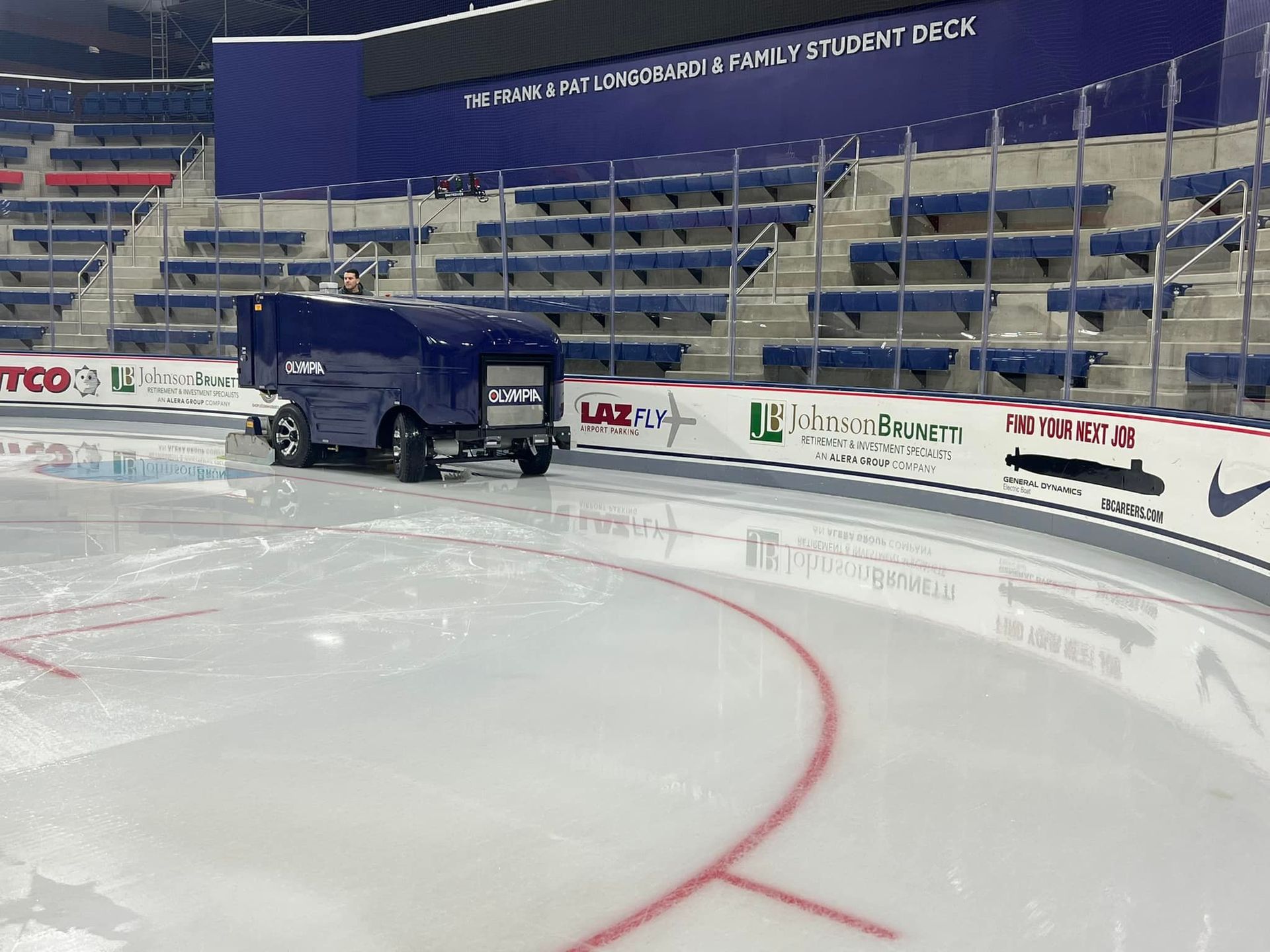
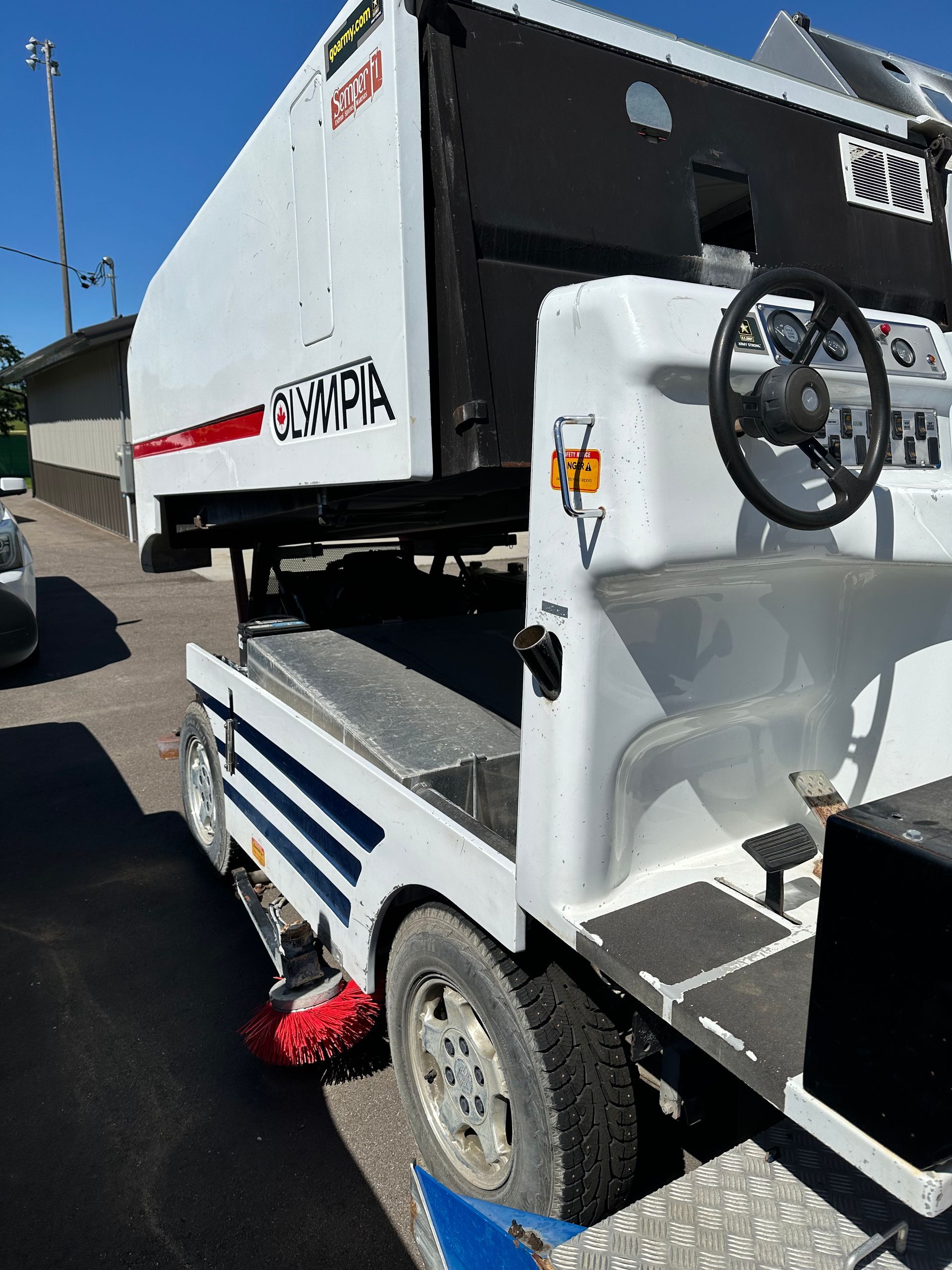
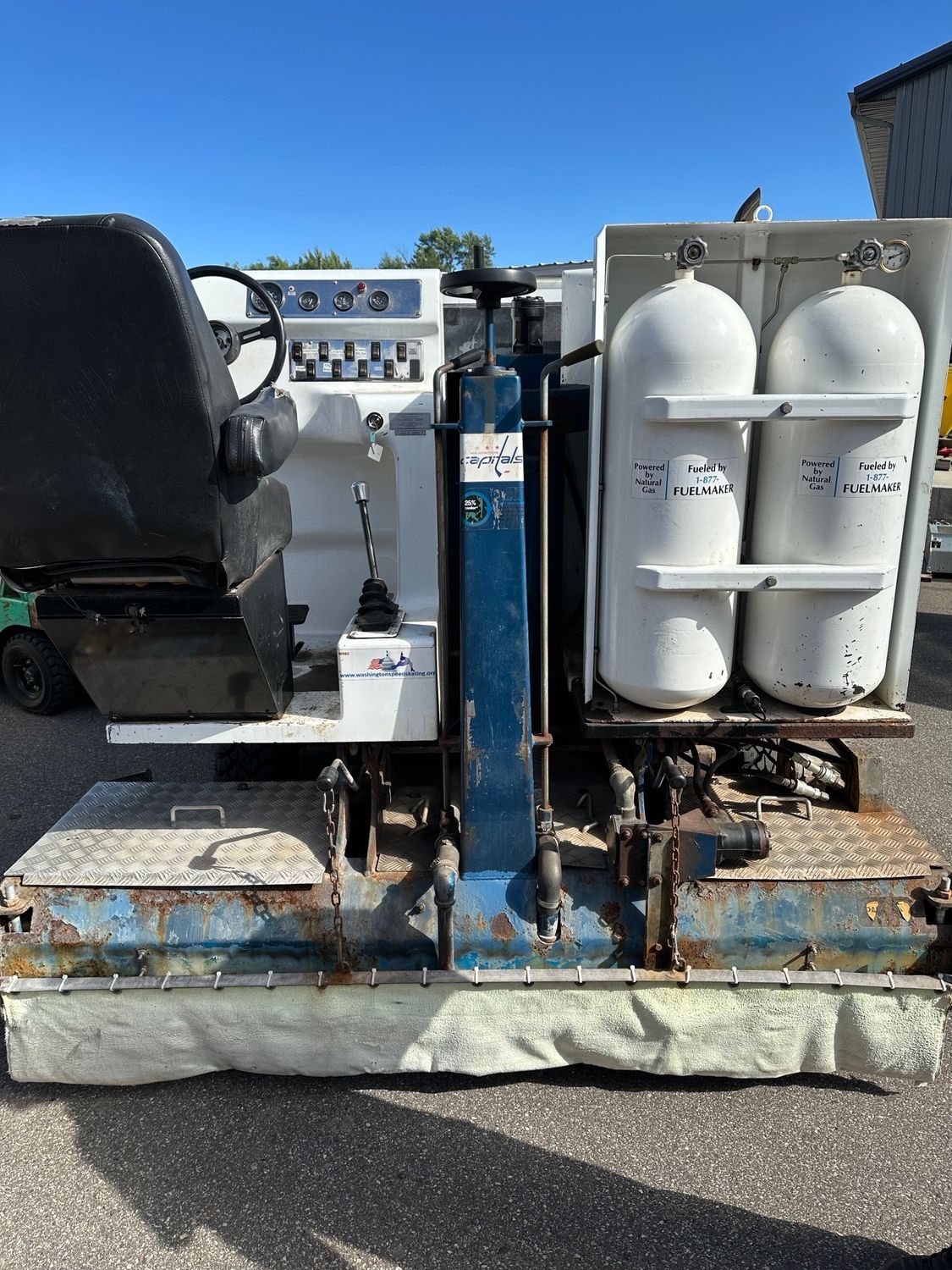
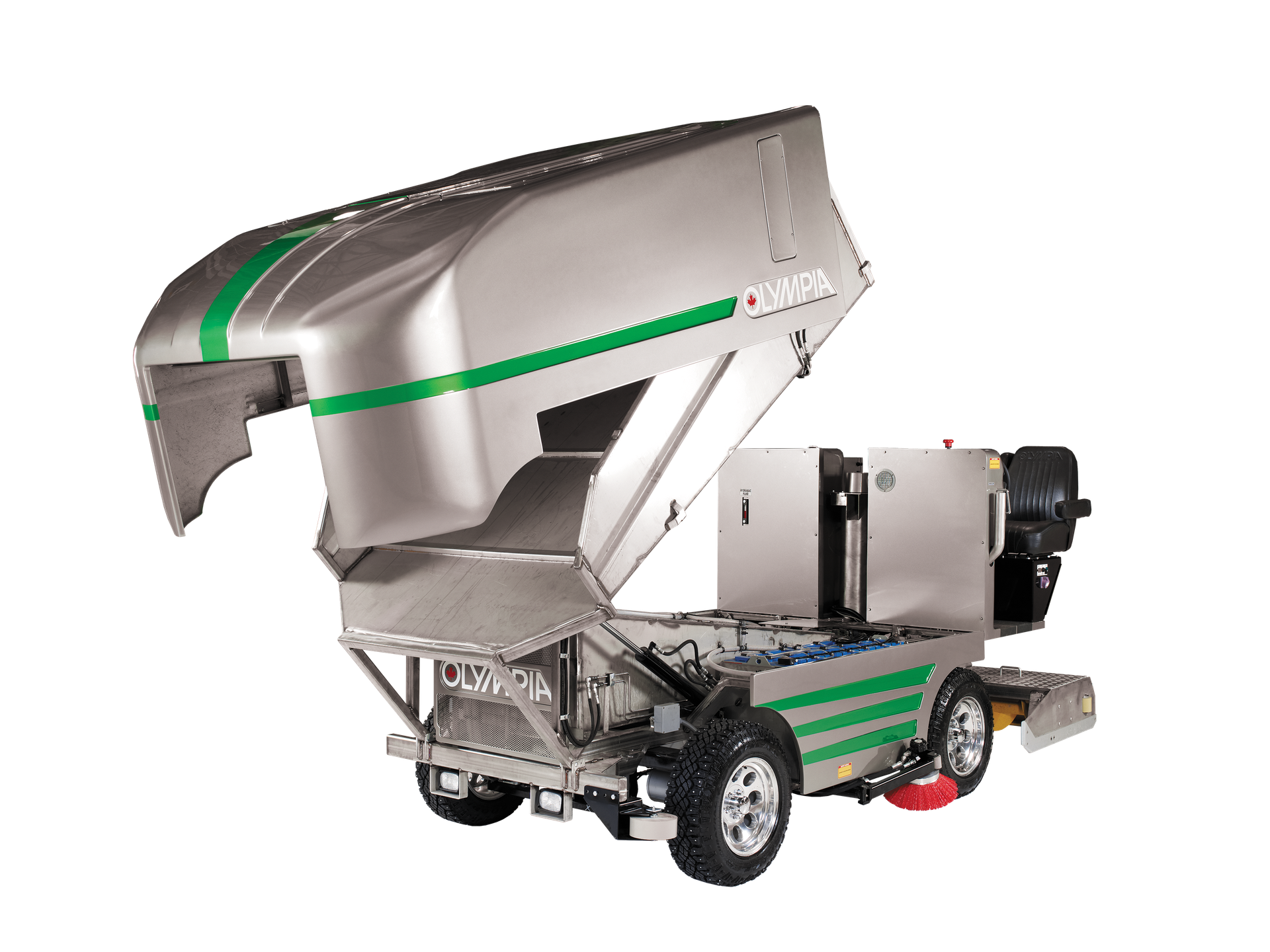
When ice quality problems or equipment failures occur, the resurfacer itself is often blamed. In reality, the way a machine is operated has as much influence on performance and longevity as the machine’s design or maintenance schedule. Operator training is one of the most overlooked factors in ice rink operations, yet it has a direct and measurable impact on equipment wear, maintenance costs, downtime frequency, and ice quality consistency.
Many facilities assume that operating an ice resurfacer is straightforward and that basic familiarity is enough. While it is true that modern machines are designed to be user-friendly, proper operation requires more than knowing which levers to pull or buttons to press. A resurfacer is a complex mechanical system, and subtle differences in how it is driven, adjusted, and monitored can significantly affect how long it lasts and how well it performs.
One of the most important reasons operator training matters is wear control. Every resurfacing pass places stress on blades, hydraulics, drivetrains, and suspension components. Poor technique amplifies that stress. For example, aggressive acceleration, abrupt stopping, or sharp turning with the conditioner engaged increases load on drivetrain components and hydraulic systems. Over time, this leads to premature wear, vibration issues, and higher failure rates. Properly trained operators learn smooth, consistent driving habits that reduce mechanical shock and distribute load more evenly across components.
Blade management is another area where training has a major impact. Operators who understand blade depth, ice hardness, and cutting resistance are better equipped to make appropriate adjustments. An untrained operator may compensate for dull blades by increasing blade pressure, which strains the machine and worsens ice quality. Trained operators recognize when blades need sharpening or replacement and avoid adjustments that mask underlying issues. This preserves both ice quality and machine health.
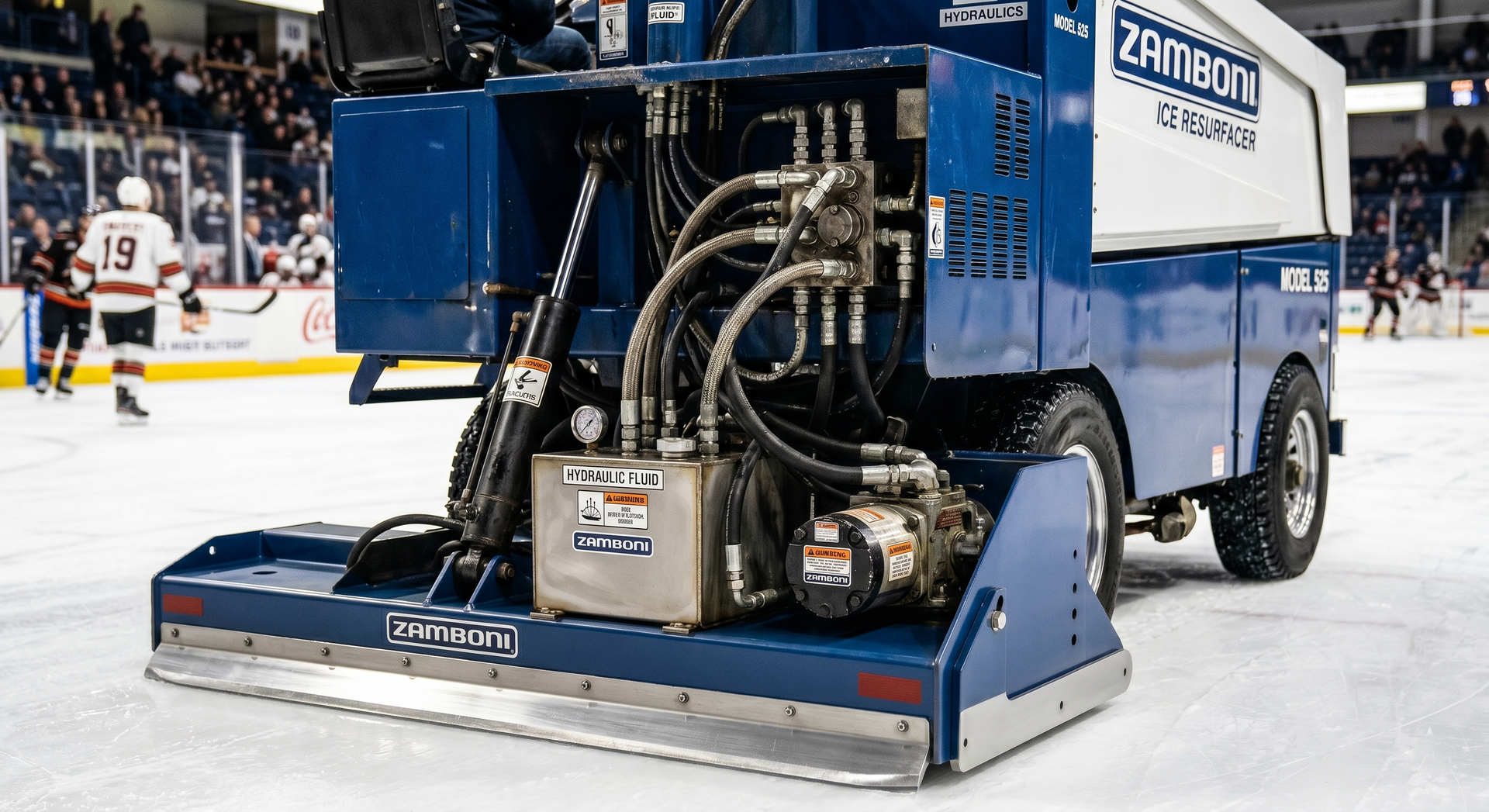
Hydraulic system stress is closely tied to operator behavior. Raising and lowering assemblies too quickly, making adjustments while the machine is under load, or failing to monitor hydraulic response all contribute to wear. Trained operators develop an awareness of how the machine responds and learn to operate controls smoothly. This reduces pressure spikes, heat buildup, and seal fatigue within the hydraulic system.
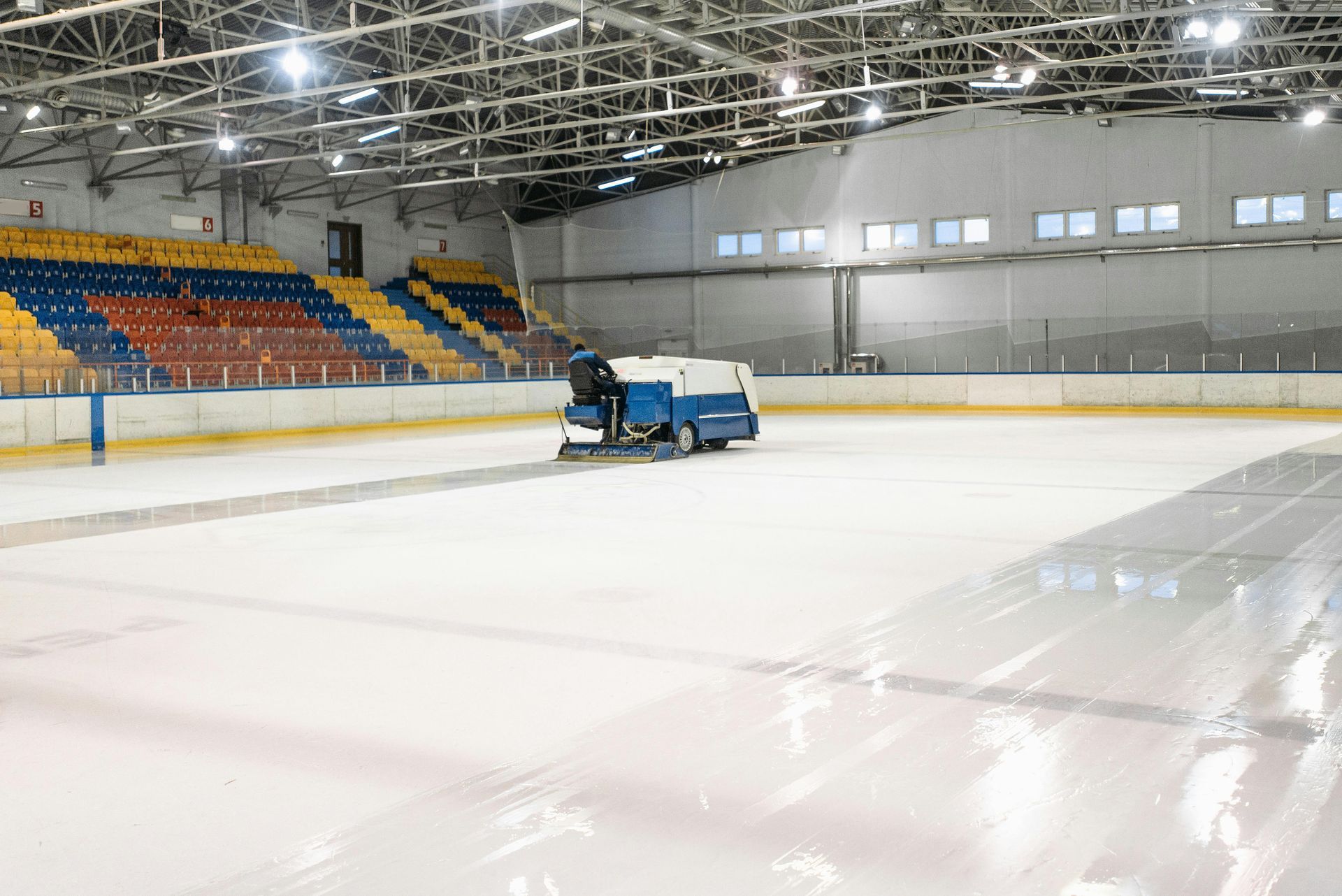
Ice quality consistency also depends heavily on operator technique. Variations in speed, overlap, or turning patterns can lead to uneven ice thickness and inconsistent finishes. While these issues may appear to be ice plant or blade problems, they are often operational. Training helps operators understand optimal resurfacing patterns, corner techniques, and edging practices that maintain consistent ice shape. Over time, this reduces the need for corrective passes that increase machine usage and wear.
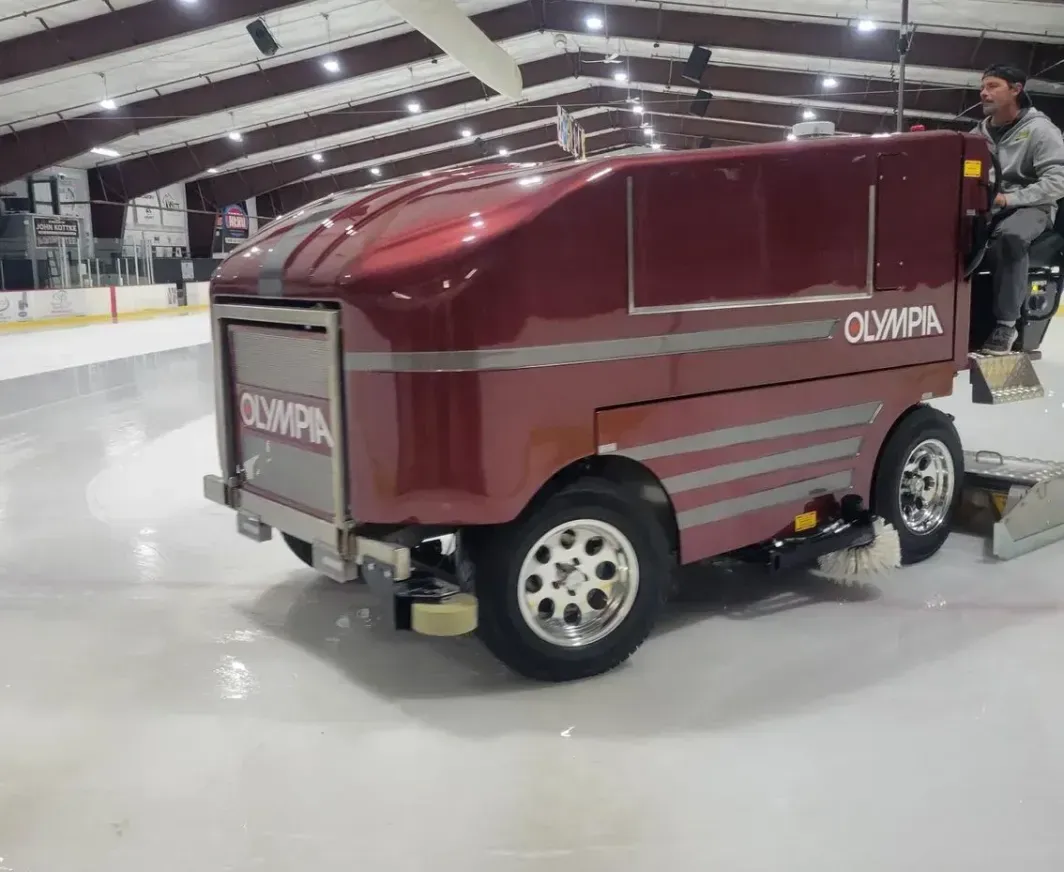
Safety is another critical reason operator training matters. Ice resurfacers operate in environments where visibility, traction, and proximity to people vary constantly. Improper operation increases the risk of collisions, loss of control, or unsafe blade engagement. Training reinforces safe operating procedures, including proper use of brakes, awareness of surroundings, and correct shutdown sequences. Safer operation protects staff, skaters, and the equipment itself.
Facilities with multiple operators face an additional challenge: inconsistency. When different staff members operate the resurfacer differently, wear patterns become unpredictable. One operator may be gentle and methodical, while another may be aggressive or rushed. Over time, this inconsistency makes it harder to diagnose problems and accelerates wear. Standardized training helps align operator behavior, creating predictable operating conditions that simplify maintenance and extend component life.
Training also improves early problem detection. Experienced, trained operators notice subtle changes in sound, vibration, response time, or handling. These early warning signs often appear well before a failure occurs. When operators are trained to report changes promptly and accurately, maintenance teams can address issues during scheduled service rather than during an emergency. This shift from reactive to proactive maintenance reduces downtime and repair costs.
The financial impact of operator training is often underestimated. Poor operation increases fuel or energy consumption, accelerates blade wear, and shortens service intervals. These costs accumulate quietly until they appear as higher maintenance budgets or unexpected failures. In contrast, facilities that invest in operator education often see measurable reductions in maintenance expenses and longer intervals between major repairs.
Training is especially important when new equipment is introduced. Operators accustomed to older machines may apply habits that are not appropriate for newer designs. Differences in control sensitivity, braking systems, or hydraulic response require adjustment. Without training, operators may unintentionally misuse features or overlook important indicators. Structured training during equipment transitions helps protect the investment and ensures the machine performs as intended.
Seasonal staffing changes also make training critical. Many rinks rely on seasonal employees who may have limited experience with ice resurfacing equipment. Assuming that basic orientation is sufficient exposes the machine to unnecessary risk. Even brief, structured training sessions covering key operating principles can significantly improve outcomes. Documentation and refresher sessions help reinforce correct habits.
Another overlooked aspect of operator training is understanding the limits of the machine. Operators should know what conditions require adjustments, reduced speed, or additional preparation. Extremely hard or soft ice, unusual temperatures, or heavy snow accumulation change how the resurfacer should be operated. Training equips operators with decision-making skills rather than rote instructions, enabling them to adapt safely.
Training also supports accountability. When operators understand why certain procedures matter, compliance improves. Instead of viewing maintenance checks or reporting requirements as burdens, trained operators recognize their role in protecting the machine and supporting the facility. This cultural shift improves communication between operators, maintenance staff, and management.
Facilities that formalize operator training often benefit from improved documentation. Training materials, checklists, and standard operating procedures create a shared reference point. New staff can be brought up to speed more quickly, and experienced operators have a framework for consistency. Over time, this structure reduces reliance on informal knowledge that may be lost when staff turnover occurs.
The most effective operator training programs combine theory and practice. Operators should understand not only how to operate controls, but also how their actions affect mechanical systems. Practical demonstrations, supervised practice, and periodic evaluations reinforce correct habits. Training does not need to be complex or expensive to be effective, but it does need to be intentional.
Ultimately, operator training is an investment in equipment longevity, ice quality, and operational stability. Machines operated within their design parameters last longer, perform more consistently, and cost less to maintain. Facilities that prioritize training reduce wear-related failures, improve safety, and gain greater control over their resurfacing operations.
When rinks experience recurring maintenance issues or inconsistent ice quality, reviewing operator practices is often the fastest way to identify improvement opportunities. While equipment upgrades and maintenance schedules are important, the human factor remains central. Well-trained operators extend the life of the resurfacer and help ensure that the machine delivers the performance it was designed to provide.